










New Editor Seeks to Broaden Aviation Consumer Audience
In the long run, we plan to be a regular destination for pilots, as well as those pursuing flight training or anyone with even the slightest interest in learning to fly.


In the long run, we plan to be a regular destination for pilots, as well as those pursuing flight training or anyone with even the slightest interest in learning to fly.

Pick the wrong flight school and you can lose your entire training budget with nothing to show for it.

Want to dramatically improve your stick and rudder skills as well as overall situational awareness? Pick up a glider rating. You’ll be glad you did.

Going for another rating or an endorsement or buying a plane and need a checkout? Do some homework first and save money and time during training.

CFIs have several options when it comes time to recertify, with electronic flight instructor refresher courses being the most popular. We review AOPA’s.

It’ll be unlike any rating you’ve ever gotten; it’ll be the toughest checkride you take; but it can be the most personally rewarding flying you ever do.

While you weren’t looking, computer graphics and new hardware kicked home flight sims up several notches, but lots of processing power is a must.

You love flying VFR. Its freedom is intoxicating and the things you have seen … yet there are times it’s not so great. Such as the two nights in the fleabag motel and the two days running the battery flat on your phone as you haunted every weather site you could find while you waited […]
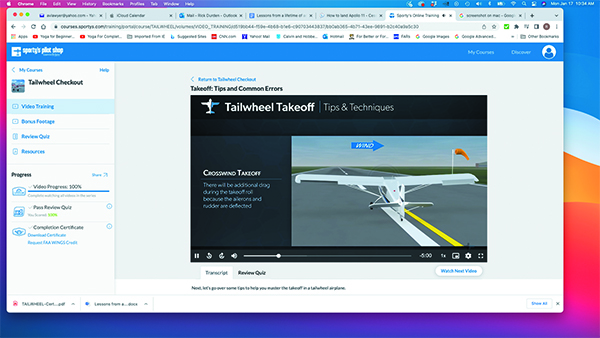
Tailwheel airplanes inspire passion at a level probably unmatched in any other segment of the flying community. It’s reflected in the abundance of associated cliches, including “You aren’t a real pilot unless you fly tailwheel.” The airplanes can be incredibly fun and challenging to um, well—land. The dirty secret about tailwheel pilots is that while […]

More than a supplier of equipment for aviators, Sporty’s (www.sportys.com) has long had a significant presence in the flight training world, including its own flight school, Sporty’s Academy. Last October, Sporty’s announced an across the board upgrade for its more than 20 aviation courses. We’ve used its courses to upgrade our skills as we’ll as […]

We’re good pilots—by and large. Getting our certificates and ratings wasn’t easy. Face it, we sweat blood training to master the skills, knowledge and judgment needed to cause an inanimate object to rise into an often unforgiving sky and return to the planet not only safely, but with some degree of panache. In the process […]
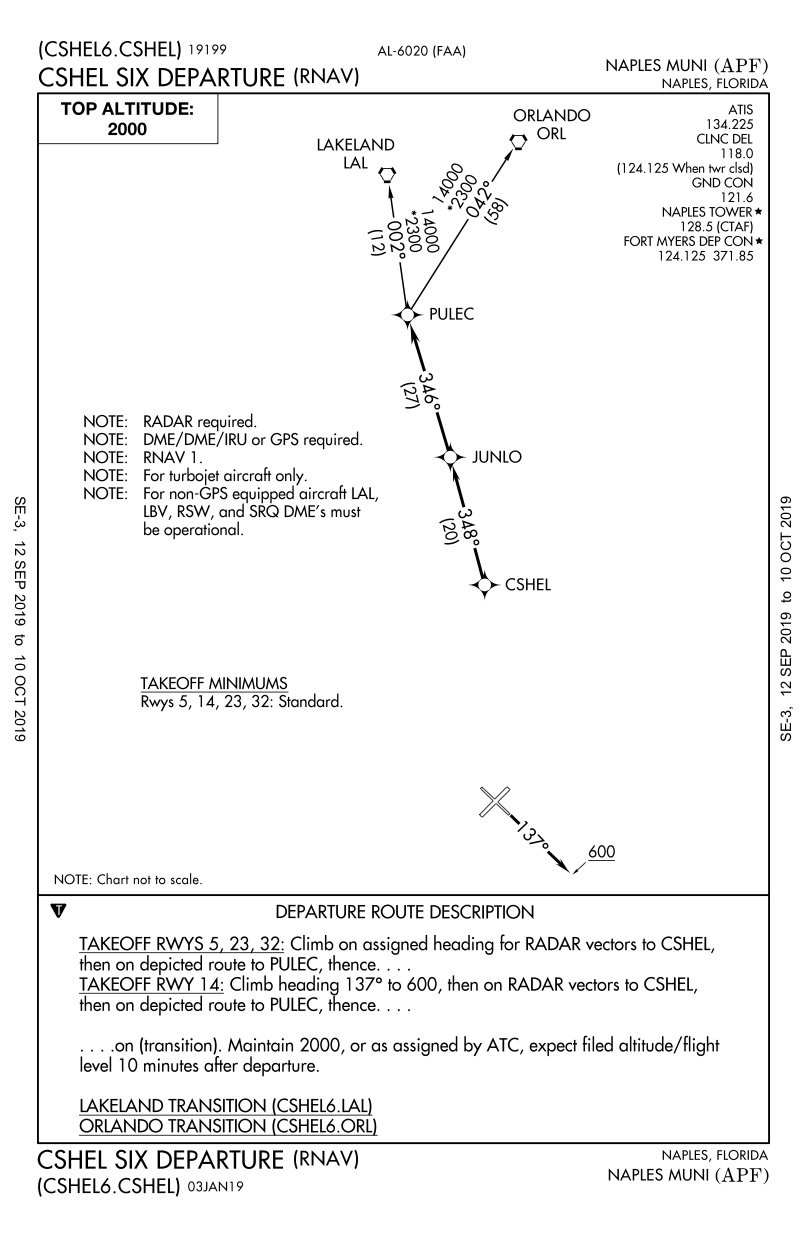
Specifically, on the form there’s Item 10 Equipment and Item 18 Other Information. Item 10 has two parts: avionics and surveillance capability. What makes the codes confusing is that unlike the older domestic flight plan form that used installed equipment, the ICAO flight plan goes a step further. The codes not only could refer to installed equipment (e.g., “D” for DME), but also capability (“B” for LPV) and approvals (“W” for RVSM Approved-reduced vertical separation minima, above FL290) and at times, combinations such as “Y” for VHF with 8.33 kHz channel spacing capability. Got that?