











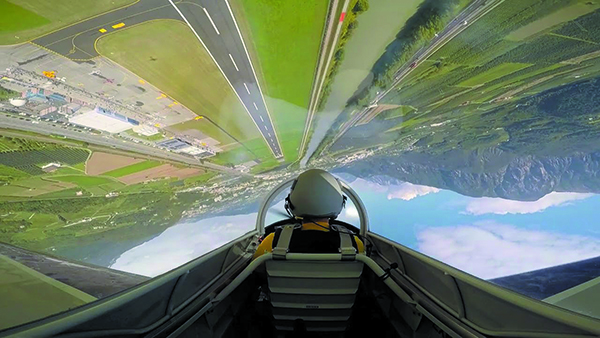
We’re good pilots—by and large. Getting our certificates and ratings wasn’t easy. Face it, we sweat blood training to master the skills, knowledge and judgment needed to cause an inanimate object to rise into an often unforgiving sky and return to the planet not only safely, but with some degree of panache.
In the process of achieving a level of mastery of aeronautical maneuvering we often—but not always—avoid disaster through the quick thinking and skills of the flight instructor in the other seat. Once the safety net of the CFI is withdrawn we begin to discover, sometimes painfully, that piloting skills erode—with distressing speed. Which is why the NTSB continues to report that the most common cause of general aviation accidents—fatal and non—is loss of control (LOC).