




Used Aircraft Guide

Cessna 206 Stationair

Cessnas biggest fixed-gear piston single is really three models, though all are essentially the same airframe. It was originally introduced in 1963 as the 205, a fixed-gear 210, technically known as the 210-5. It had two doors up front and a relatively small rear door on the left side. The engine was a 260-HP Continental IO-470. This airplane was a fixed-gear version of the recently revamped 210; it was produced for two years, with 577 delivered.
Read More »

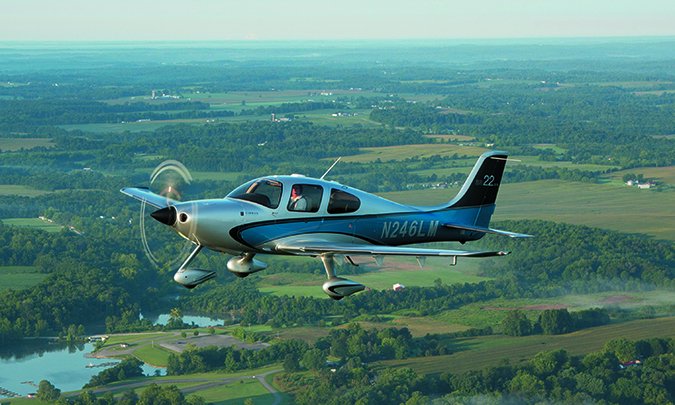
Cirrus SR22

Since Cirrus Design first morphed from a quirky kit supplier to a full-blown aircraft manufacturer in 1998, it has consistently proven that it got the vision thing right. The entry-level SR20 and flagship SR22 in their various iterations have proven hot sellers and good performers, with unusually loyal customers. This seems the perfect setup as the company moves closer to delivering its seven-seat, single-engine Vision SF50 personal jet-a logical step up from an SR22.

Read More »

Piper Warrior

Back in the day, the quest to come up with the perfect personal airplane may have seamed easy at first. It only needed to perfectly combine ease and cost of operation, ability to carry the right number of passengers and operate from most all airports in the country. During the post-World War II boom, the major airplane manufacturers to include Aeronca, Luscombe, ERCO, Piper and Cessna, among others, all eventually came to the conclusion that the future for mass-marketing airplanes was wrapped up in something that had four seats and on the order of 150 HP. ERCO (the Ercoupe folks) never made it past a prototype. Aeronca and Luscombe gave up after limited success, while Cessna and Piper went on to fight it out for decades, while Beech and Grumman-American tried to make inroads.

Read More »

Decathlon and Citabria

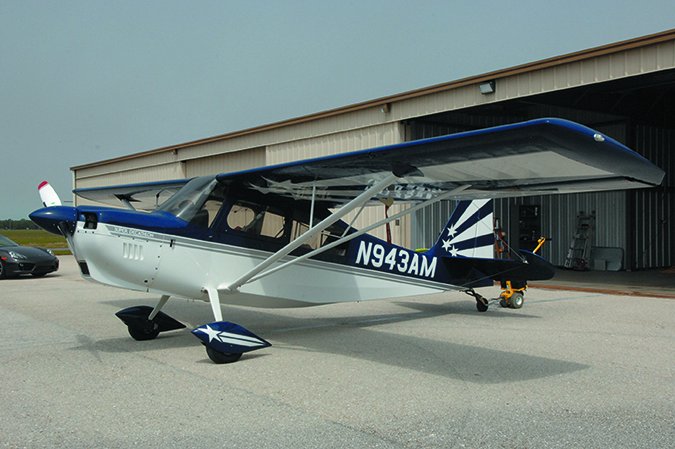
If you want to learn how to fly advanced aerobatic maneuvers, we don’t suggest you rush out and buy a Pitts or an Extra 300. Those machines require no small degree of skill to fly safely. Not convinced? Just ask your insurance broker and any aerobatics instructor. Perhaps the better choice for a newbie might be a Citabria or the Decathlon. You might be surprised that these starter aerobatic airplanes have much more capability than you thought.

Read More »

Piper Malibu-Mirage

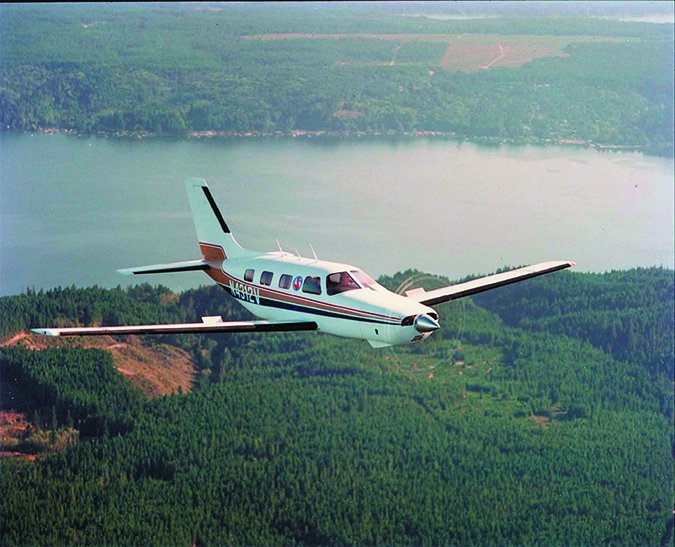
When it first appeared in the mid-1980s, the PA-46 Malibu was a head turner. Aside from its ramp appeal, pilots were intrigued with its high-flying pressurized cabin, 200-knot cruise speed and its impressive range. There was nothing quite like it and Piper soon found a loyal market for its new flagship product, mostly among well-to-do owners who could afford to sink a half-million bucks into a new single and who flew the kind of missions where the Malibu shined.

Read More »

PA-46 Series Wrecks: IMC Issues

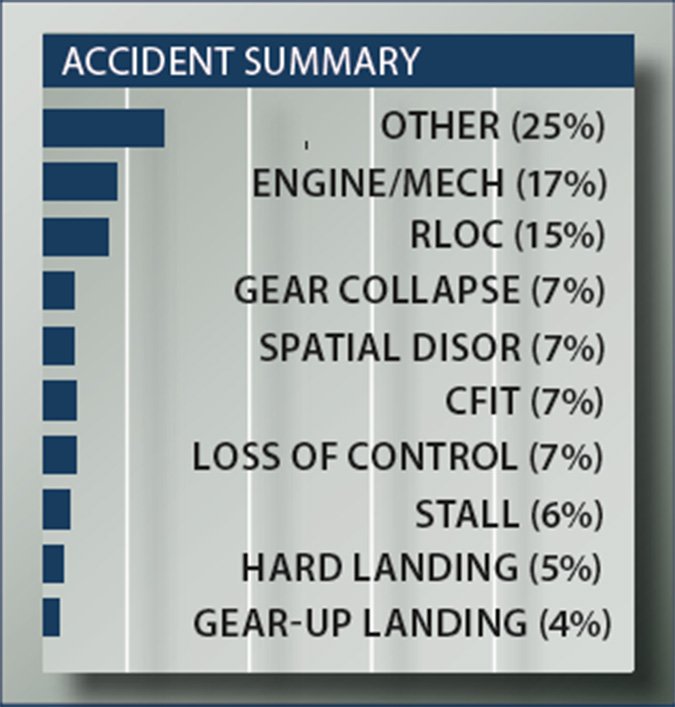
We went through the NTSB’s accident database for the most recent 100 accidents involving the PA-46 piston series—Malibu, Mirage and Matrix—and found that the early engine and nose landing gear issues with the airplane appear to have been resolved. We did, however, see what we felt to be an uncomfortably high rate of accidents in […]

Read More »

Piper Seneca

In our view, the Seneca is an entirely reasonable airplane. That, more than anything, may explain why it endures in Pipers line, although the latest Seneca V is far more complex than the original Seneca I. The Seneca V is one of only five twins still in production-the others being the Baron, Pipers own Seminole, the Diamond Twin Star, plus the Tecnam P2006T.

Read More »

Certified PreOwned Aircraft: Price-Setting Revisited

Its important for manufacturers and dealers to understand and support the used market because it affects the credibility of the brand. In Mooney Aircrafts case, if an individual wants to purchase an aircraft, but cant justify (or cant afford) a brand-new one, a range of pre-owned choices still keep buyers in the Mooney family.

Read More »

Piper Super Cub

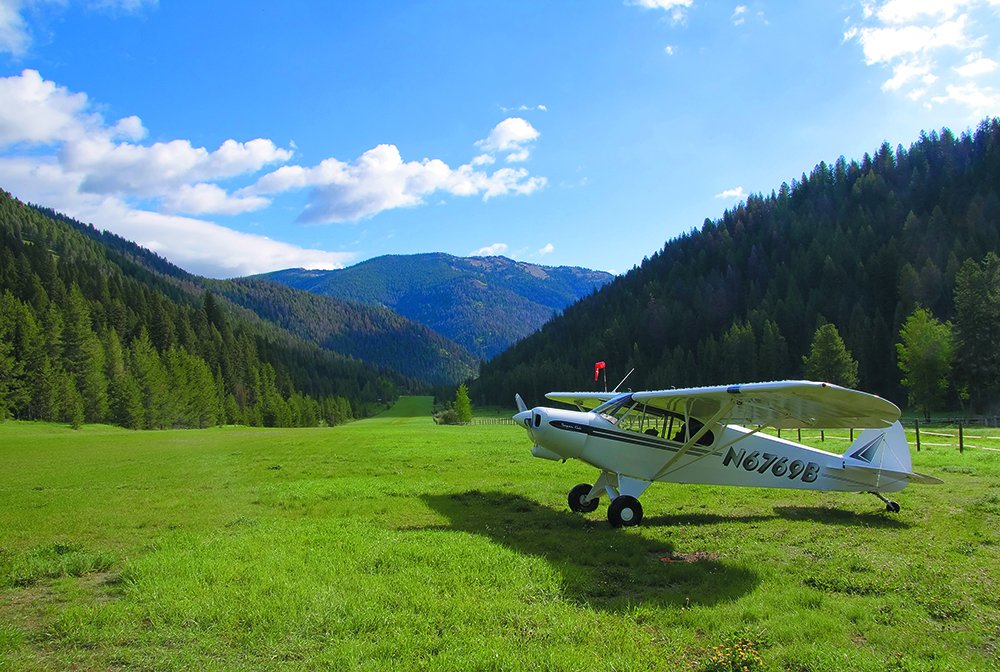
The development of Pipers Super Cub is as much a story of survival as it is progress. While the role of the original J-3 was mainly for training, Piper had to bring more utility to the table than the Cubbys 75 MPH cruise speed, 200-mile range and 450 FPM climb performance. Enter the refined PA-18 Super Cub, a design thats still being tweaked some 66 years later through several so-called Cub clones, which includes nicely executed models from Cub Crafters and American Legend Aircraft, to name a couple.

Read More »

Super Cub Wrecks

Our review of the 100 most recent Super Cub accidents introduced us to more than the usual stupid pilot tricks we see when we do these reviews for the Used Aircraft Guide. We cant help but wonder if the ability of the airplane to use unimproved airstrips and maneuver we’ll at low speed causes a certain percentage of pilots to shut off their aeronautical brains. …

Read More »

Accident History: No Smoking Guns

When we looked at the 100 most recent accidents for the Archer/Cherokee 180 series—50 for each model—we saw some crunch causes we expected and a few we didn’t. First, in an airplane often used as a trainer, we expected to see a significant number of landing-related accidents. We did. Thirty percent of the airplanes came […]

Read More »

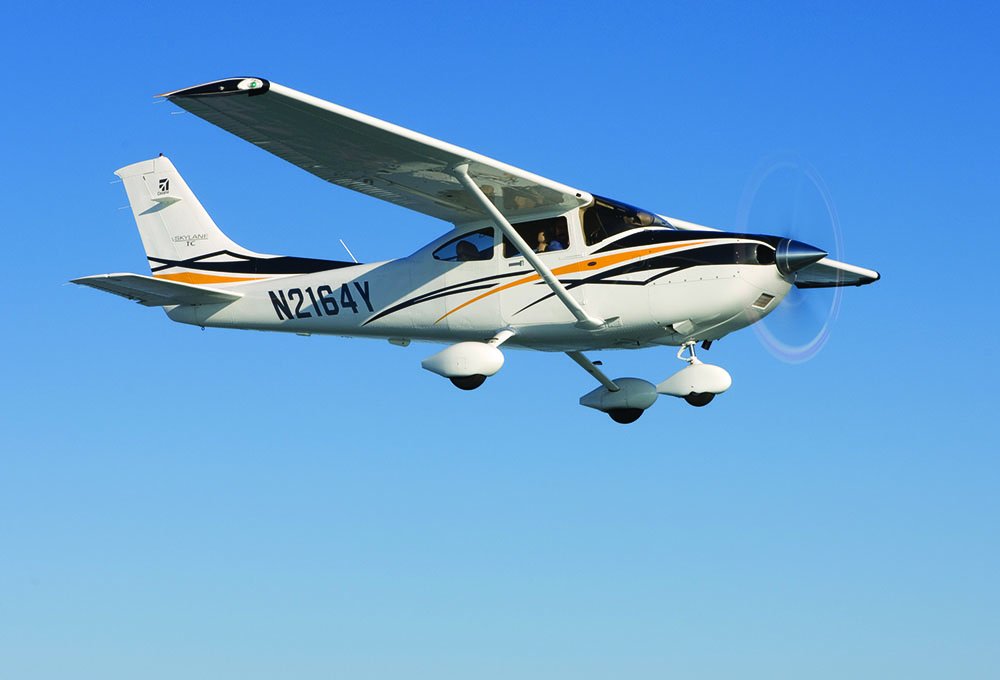
The Cessna 182 Skylane: History & Review

Perhaps one reason for the 182 Skylanes longevity is that it has good hauling capability, good dispatch reliability, a relatively comfortable cabin and maintenance shops know how to work on it. Except for its intolerance for mismanagement on and around the runway-giving it an awful ranking in the NTSB reports-we suspect buyers are comfortable with long-term Skylane ownership. For many, its as far up the pecking order as theyll go in their flying careers. These days, you can buy a 182 with a full G1000 glass panel and a luxe interior for a price in the high $300Ks. A big investment, to be sure, but far less money (and far less speed) than a new Cirrus SR22, as one example.

Read More »