











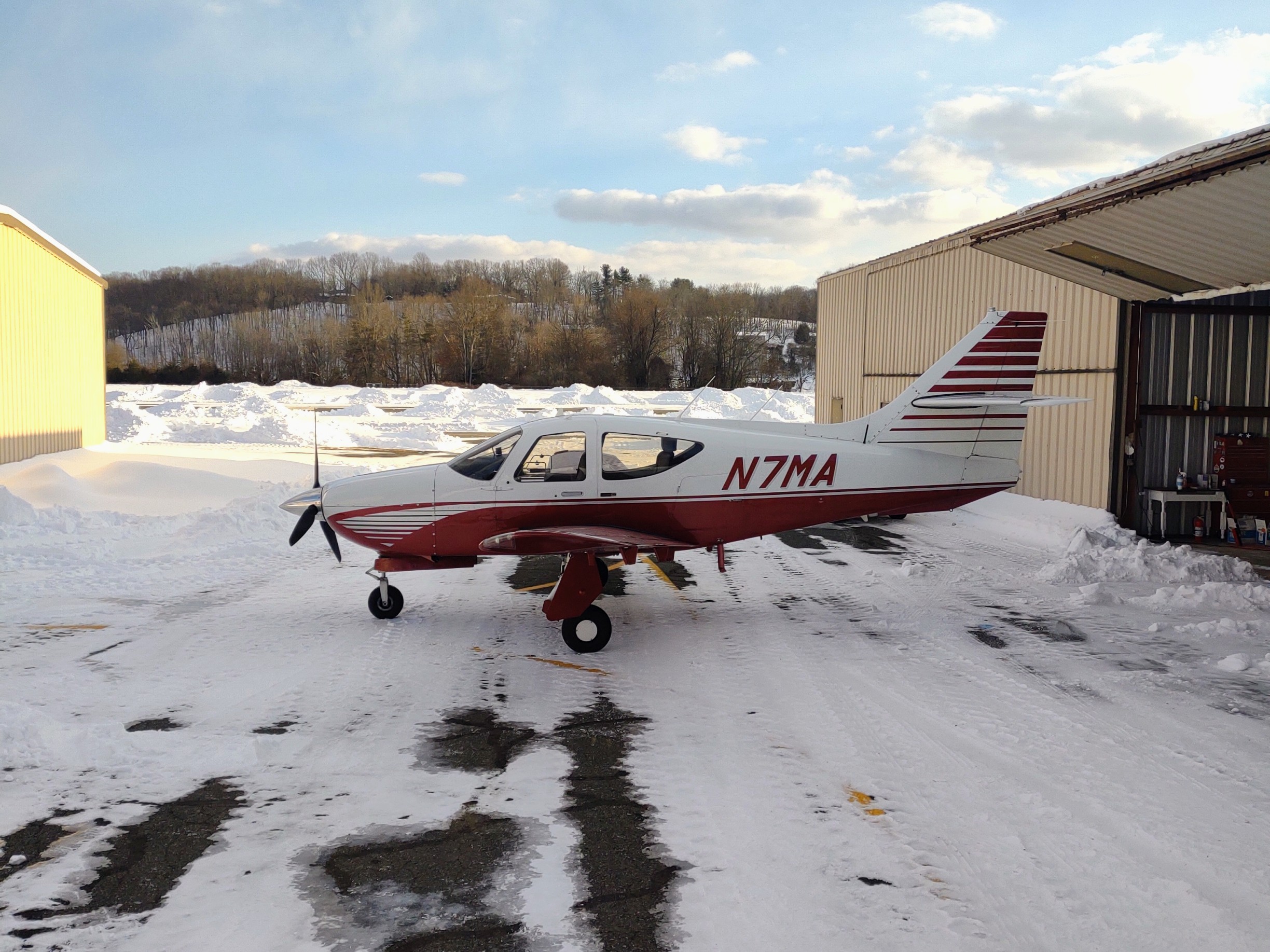
A cold snap has gripped the Northeastern U.S. in recent weeks, with flying potentially becoming a less-attractive proposition as a result. Waiting for engines (and cabin heaters) to warm up while watching your hot breath fog the windshield has never been a highlight of general aviation.
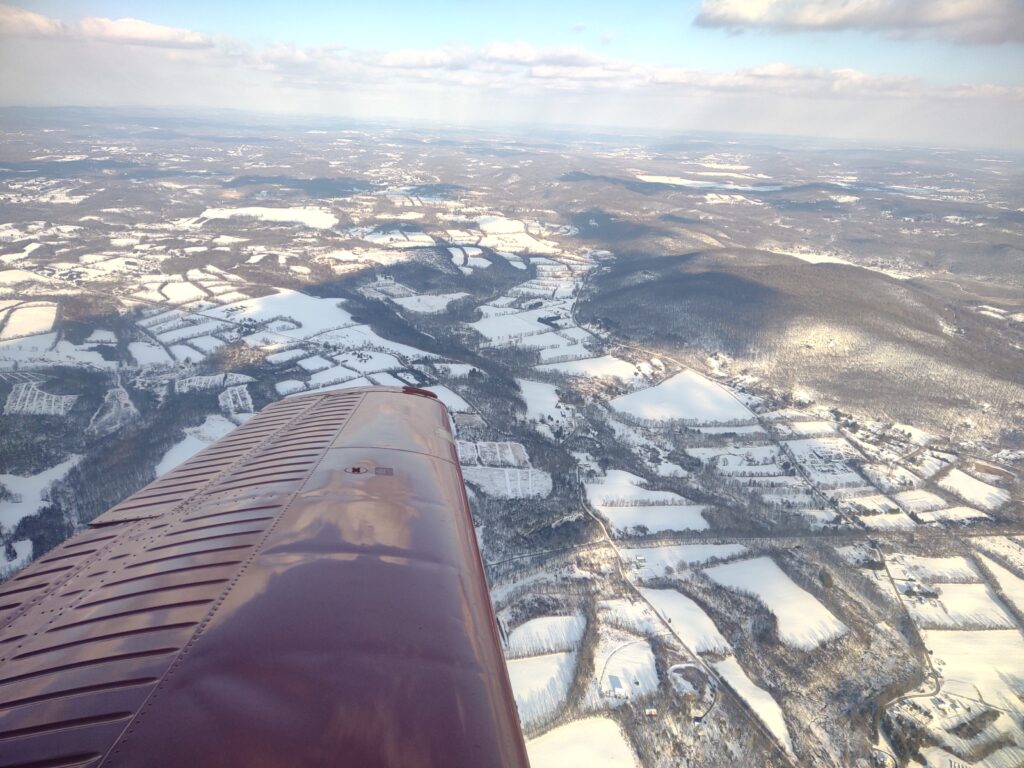
Still, who doesn’t love soaring over a snow-covered landscape? Besides, I was determined over the past few days to get one more flight in before my aircraft’s annual inspection.
While the cold might not be enough to keep the most devoted among us away from the airport, it does raise concern about engines, oil, and the potential for excessive wear, especially when temperatures plunge well below freezing.
After opening my hangar door and shoveling away the 2-foot wall of drifted snow that remained between the Commander 114B and the nicely plowed ramp, I towed the airplane out and got ready for start-up. As the electric fuel pump made its usual whirring sound while priming, I felt pangs of guilt and doubt in anticipation of cranking the engine even after lengthy preheating.
Had I preheated enough? Would the oil flow adequately? Just how potentially destructive is frigid weather to air-cooled piston aircraft engines?
The following is a rundown of preheating options and procedures pilots should consider as they seek to protect their engines while operating in harsh winter conditions.
Preheating: Key to Success
Mechanics, engine manufacturers, training fleet managers, and other engine experts often recommend preheating aircraft engines when temperatures dip below 32 degrees Fahrenheit. This is a good place to start, but if you talk at length with people who maintain and operate aircraft engines professionally, they are likely to reveal more detail.
Some might tell you they preheat their engines as soon as the temperature falls to 40 or below. Others will talk about the additional benefits of keeping your engine temperature above 60 to minimize stress before start-up. In general, warmer is better.
Preheating warms the oil so it flows more readily, preventing certain parts of the engine from being starved for lubrication. The real goal, though, is to heat the entire engine, allowing its many parts, made of aluminum, steel, and other dissimilar metals, to expand properly.
How to Do It
While keeping one’s aircraft in a heated hangar, ready to fly almost at a moment’s notice, might be the best solution, it is but a dream for the typical aircraft owner. Most of us have to choose between built-in preheaters that attach to the engine and heat it electrically or portable units that blow hot air into the engine compartment through openings in the aircraft’s cowling.
Portable heaters are the first type I encountered as a student pilot. My instructor used one to preheat his Cessna 172 before our training flights. I remember the heater looking like a hand-held leaf blower stuck into one of the air inlets in the Cessna’s cowling. The heater was attached to a stepladder that elevated it to just the right height to blow into the engine compartment.
Despite the seemingly haphazard setup, this system worked very well, easing the engine-start process and shortening the run-up. That engine also happened to run reliably for hundreds of hours beyond its recommended 2,000-hour TBO. Engine longevity relies on multiple factors, and I am sure regular preheating in cold weather was among them.
Built-In Is Best
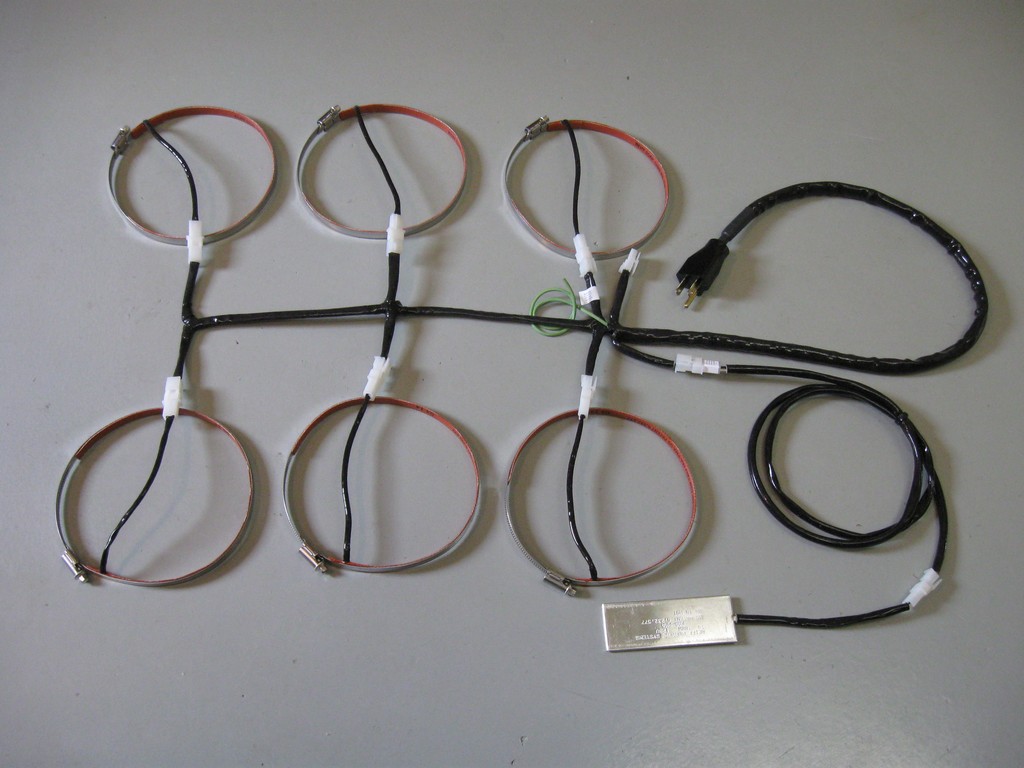
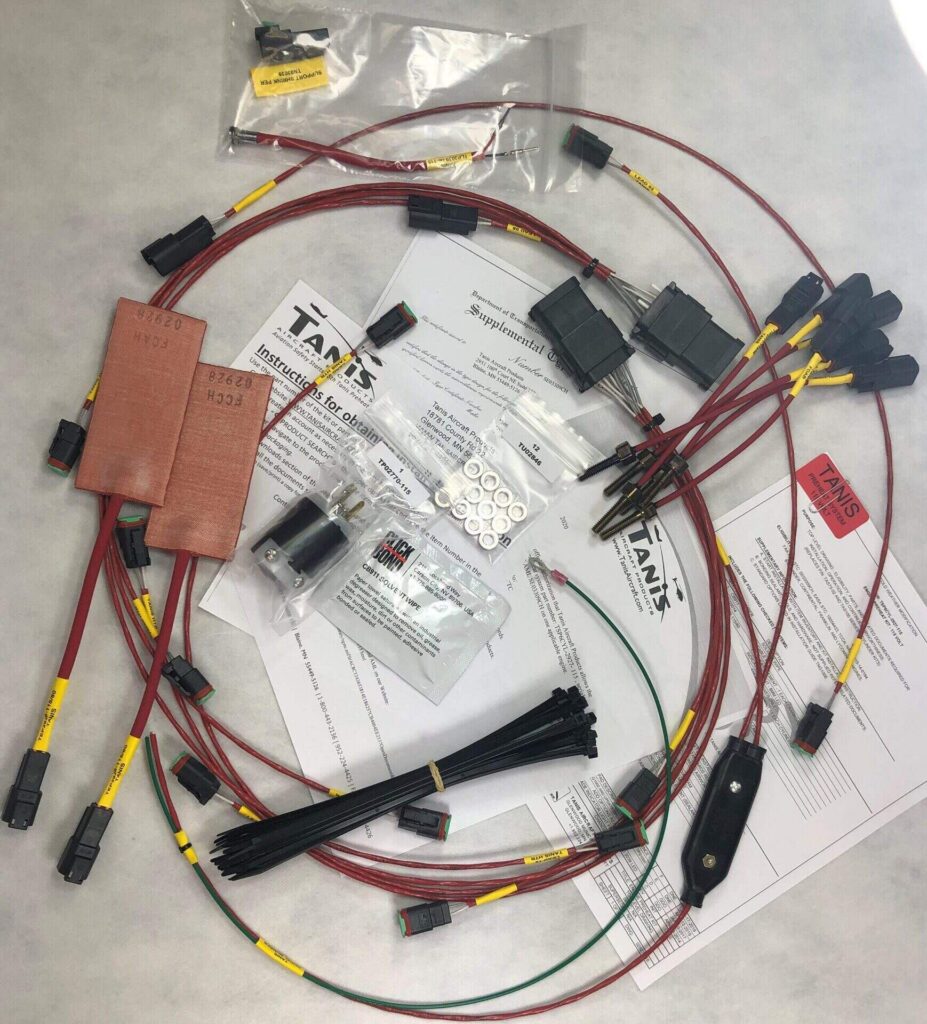
Portable heaters can be ideal for FBOs and flight schools, where the ability to move easily among several aircraft is at a premium. For individual owners, though, usually the most efficient way to preheat is with a built-in system. Two companies, Reiff Preheat Systems and Tanis Aircraft, produce the bulk of this type and offer a range of heating capabilities.
The most basic systems use heating pads that attach to the oil sump to bring the oil closer to operating temperature and viscosity prior to start-up. Both companies offer progressive levels of heating capability to include the sump, engine case, and cylinders. Most experts recommend heating as much of the engine as possible.
Years ago my instructor warned against using a sump heater to warm up the oil for long periods because doing so can lead to condensation forming inside the engine, with corrosion to follow. I have since received similar advice from several other pilots and mechanics. Besides, warming just the oil fails to address the potential problems associated with uneven expansion and contraction of engine parts with severe changes in temperature.
Take Your Time
However you decide to preheat your engine, the process will require patience. Your engine will not heat up appreciably in the time it takes to perform a pre-flight inspection. Some of the more powerful built-in heaters can raise the engine’s temperature as much as 120 degrees above the ambient temperature, but that will take all night.
A decent preheat can take two to four hours or more, so setting up the preheater to start long before you reach the airport is a good idea. A variety of old-fashioned timers and modern remote-control devices can help you establish an effective preheating routine. Portables often take less time but need to be monitored. However you choose to heat, using an insulated cover for the cowling will boost overall efficiency by holding in the hot air.
In the end, a properly preheated engine will make winter flying more of a pleasure by removing the stress of cold starts and adding a dose of confidence that you are giving your beloved aircraft the best possible care.