










ForeFlight Insurance Fair Pricing Tool

ForeFlight app users have access to an AI-powered insurance tool that backstops the price of a premium.

With aircraft type forums lighting up with owners asking how much they really should be paying for aircraft insurance, a new utility from ForeFlight examines your current policy to see how it compares to what others are paying. “The Kelley Blue Book of aircraft insurance policies,” as one put it.

It may seem like an odd offering from a cockpit navigation app maker, but as more pilots struggle with sourcing affordable insurance, a group of ForeFlight employees who are active pilots believed there needs to be a more modern approach to risk assessment and created the new AI-powered tool. At press time, the utility is in open beta with ForeFlight gathering more demographic data. It does not shop for coverage and excludes renter’s policies.

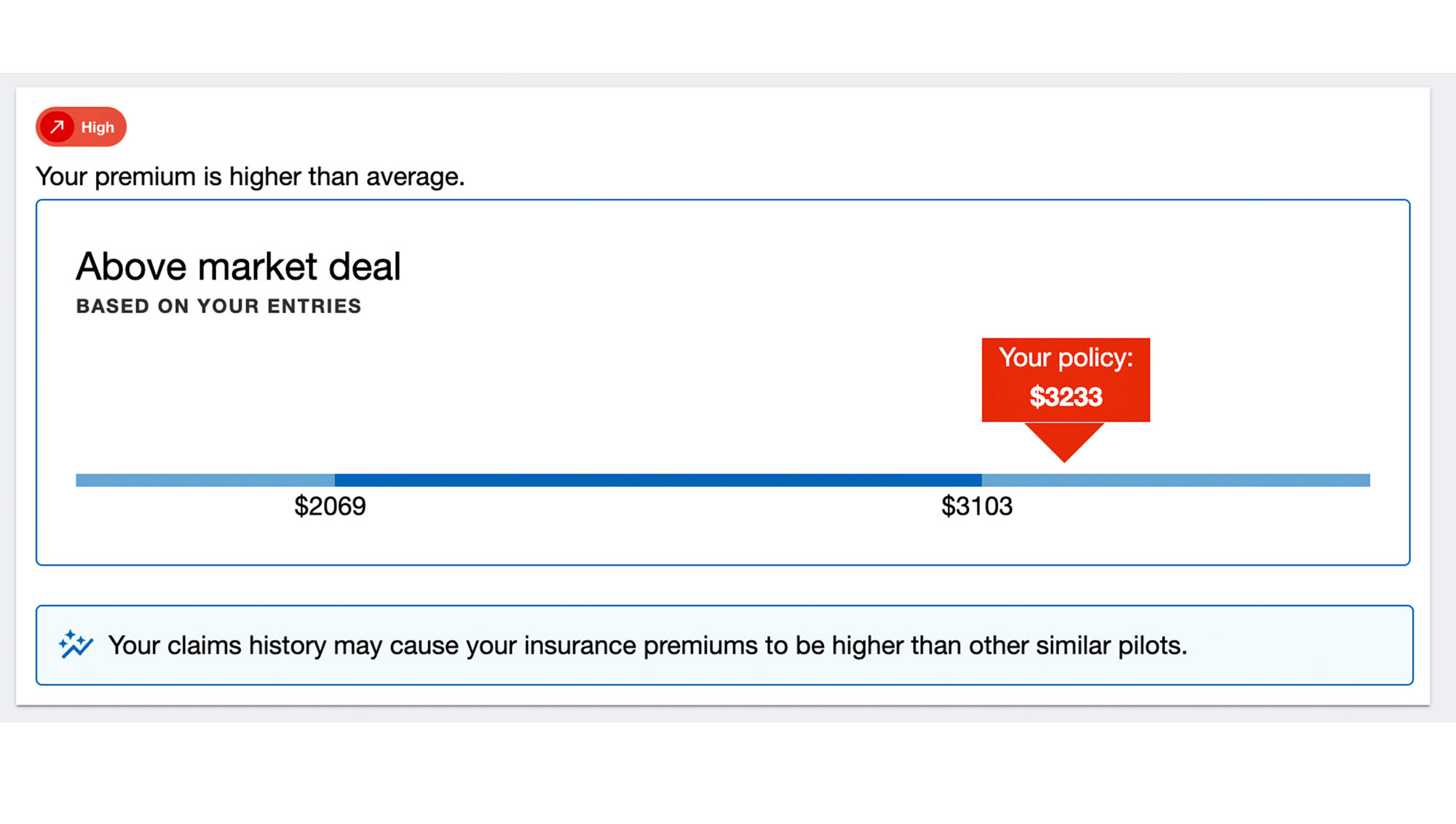
The Insurance Fair Pricing Tool is available for all current ForeFlight Mobile subscription tiers, but it’s accessed on the desktop version of ForeFlight—not in the smartphone/tablet app. The web interface is integrated enough to pull in the user’s ForeFlight electronic logbook entries, and you upload your current insurance information and completed questionnaire. The pilot’s flight experience and policy go into a machine learning model where the current premium is compared with across-market rates of other pilots with similar aircraft and experience. ForeFlight is only looking for information that an insured would provide when seeking an actual policy, and it offers explanations of terms when appropriate. The screen grab at the bottom is an example of what the utility ultimately outputs for comparison.

The individual’s data is completely anonymous and the AI-powered results give a general idea of where the premium pricing might land, based  on the data that’s entered. It also provides notes on major factors that might influence the actual pricing.

Machine learning

While ForeFlight tries to make uploading pertinent policy and pilot information seamless (importing ForeFlight Logbook as one example), users can manually add flight hours and ratings (and omit ones that aren’t pertinent to the policy—like an outdated student certificate, for example) if their electronic logbook isn’t up to date. As for the machine learning that’s involved, one of the most important pieces of entered data is the make and model of the insured aircraft and the number of flight hours the pilot has logged in it. There are other factors used in the process, including the type of landing gear and the runway surfaces in which the aircraft can operate, plus the policy limits.

Not surprisingly, ForeFlight said other factors that greatly contribute to policy prices are the pilot’s age (though airman medical data isn’t used), whether or not the aircraft is hangared and whether or not the pilot had any insurance claims in the previous five years.

We think this utility, while not by any means a final determination of actual rates, is an insightful planning tool for the current difficult market, where premium costs are all over the place—even among similar models and pilot experience. For this to ultimately move the needle when it comes to policy price transparency across the market, ForeFlight says it needs as much accurate data in the system as it can get. Log in at https://plan.foreflight.com.

ForeFlight isn’t alone with a new high-tech approach to risk assessment. As we reported in the October 2024 Aviation Consumer, Skywatch Insurance has developed its own smarter algorithms to assess pilot insurance risk and determine policy rates.

Larry Anglisano

Editor in Chief Larry Anglisano has been a staple at Aviation Consumer since 1995. An active land, sea and glider pilot, Larry has over 30 years’ experience as an avionics repairman and flight test pilot. He’s the editorial director overseeing sister publications Aviation Safety magazine, IFR magazine and is a regular contributor to KITPLANES magazine with his Avionics Bootcamp column.