











Every other summer, I torture myself with the $1500 biennial ELT switch flip. I install the required 24-month battery, wait for the minute hand to sweep past the top of the hour and press the test switch with bated breath. The crisp woop-woop of the truly ancient EBC 121.5 MHz beacon makes the Cub legal for two more years. But one day, the dreaded decision will come. I’ll have to buy a 406 MHz ELT.
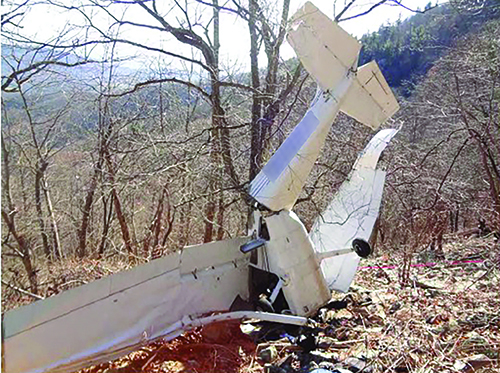
That’s slightly complicated in the Cub because of the extra effort of siting an antenna on a rag fuselage. But for all the money thrown at it, it will at least be more likely to actually function in the event of crash. Or will it? To find out, I recently pored over the crash reports of 406 MHz-equipped airplanes and while it’s true they work better when they work, they get smashed in crashes just as often as the older beacons do and fail to activate for reasons that aren’t always clear.