











We sometimes th
In this regard, hypoxia is the multi-headed beast-we can be dumb about ignoring
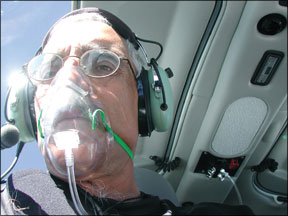
its dangers, dumb about ignoring training meant to mitigate the risk and really dumb when it actually happens. And how often is that? We don’t really know, because even if an accident is caused by hypoxia, the post-mortem may offer only speculative conclusions. In many GA accidents, the true cause may drift downwind with the smoke from the wreckage simply because light aircraft forensics are so inadequate.
Half of knowing what to do about hypoxia is knowing when youve got it and two recent training programs purport to do just that. Both are essentially desktop technology, one limited to Flight Safety Internationals simulator-based training network, the other is a newer technology thats being marketed by Biomedtech Australia and is available through the U.S.-based AirCare Solutions. We reported on the FSI program in the February 2006 issue of The Aviation Consumer. We demod the Biomedtech program at the NBAA show in Atlanta in September.
ROB Explained
Traditional altitude chamber training is supposed to indoctrinate pilots in the finer points of oxygen starvation and we think everyone should do at least one chamber ride. But chamber training tends to focus broadly on hypoxia-induced performance degradation rather than the hypoxic symptoms themselves.
If you cant get the round peg into the square hole and 96 minus 18 equals 16, you only know that you feel like crap for a lot of reasons and you probably have