











From our perch, we see high-priced 406-MHz ELT interest bottoming out. Maybe its because Transport Canada has backed off on an initial threat of mandating 406 MHz beacons for any aircraft operating in Canadian airspace-at least for now. This mandate was a driving, if shallow, motivation for U.S. operators to drop a couple of grand on new ELT technology. But even without the Canadian mandate, going 406 is something we all should plan for at some point. Many owners are in denial that distress signals from old 121.50 MHz beacons arent satellite-monitored anymore, cant be tied with on-board GPS for transmitting wreckage coordinates or even that the device in the tail might be over 40 years old. There are a handful of good reasons to invest in a 406 ELT and some well-worn excuses not to. Maybe you always fly IFR, or never in the sticks, or always in earshot of a listening control tower. But given the improvements in 406 technology, we think the investment is worthy. 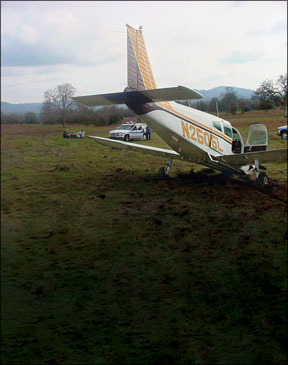
Disassembly Required
The good news is that beacon prices are falling and there are more offerings. The bad news is that ELT installs are pricey projects. Owners are shocked to see lopsided quotes where shop labor far exceeds the cost of the system. Were not talking complicated avionics work here. Instead, its the grunt-work that tags along with many ELT installations that kills the deal on more than a few proposals.
The issue is that 406 beacons require an ELT remote activation control switch (to be located within easy reach of the pilot). Aside from the instrument panel work thats required for mounting the switch, there’s often new wiring that needs to be connected between the beacon and that switch even in ELT upgrades.
Unfortunately, the wiring effort to connect that remote control switch with the transmitter thats all the way in the back of the aircraft often requires removal and then reinstallation of the aircraft interior. Owners underestimate this challenge. Some interiors are old, brittle and cracking. Others are tightly-sewn custom designs not intended for easy removal. In some panels packed with gear, there might not be room for the switch. And even if there’s an existing switch on the panel, it might not be the same size as the new 406 switch. The wiring is seldom compatible.
Some manufacturers like KANNAD and ACK are attempting to tame this dragon with universal remote switches. More on that later. Our advice is to coordinate an ELT upgrade with maintenance intervals and other avionics projects that might require interior disassembly. And even if you decide to hold off on a full installation, your shop can always route ELT wiring through the interior while its opened up. New interior upgrades are perfect timing for this easy task.
As with any other system, the antenna effort shouldnt be underestimated. Pressurized aircraft could need additional approval and definite expertise. Faster airframes might require high-speed antennas that will cost more than the standard whip that come with most GA ELTs.
Since many beacons offer an optional GPS interface for more precise transmit data (as tight as 100-foot accuracy with a response time of approximately 10 minutes according to manufacturers) avionics shops and not maintenance shops need to be involved in the project.
This means the radio stack will need to be disassembled to access the connectors on the GPS. For models like Garmins GNS 430, for example, this could mean several hours worth of additional labor to wire into a serial output port. Hopefully the