









Register

Phillips 66 New Oil: Lycoming Additive

In 1977 Cessna introduced the 172 N model, employing the newly developed O-320-H2AD engine and allowing Cessna and Lycoming's common parent to save money and offer slightly more horsepower. Unfortunately, the engineering compromises made in the valve train resulted in camshaft lobes and associated lifters that were quite corrosion intolerant. Cost saving led to minimizing the size of the hardened surface, so the contact pressures became extreme. The design was barely adequate, as long as no rust occurred. But any rust increased pressures beyond what the oil could handle, and metal-to-metal contact would occur, rapidly wearing away the valve train components in as little as a few hundred hours.

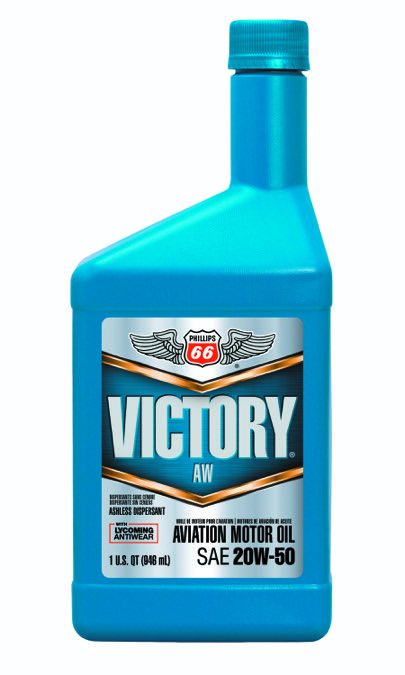
Phillips 66 has announced two new Victory oils, both a straight weight and a multi-viscosity version, with the Lycoming-mandated anti-wear additive already blended in. If you’re required by AD to include the Lycoming additive in your engine, of course, you comply.

But for the rest of us, these oils and the additive in particular may not be such a good deal and it’s often said to avoid them. Phillips also makes claims of reduced oil consumption with multi-viscosity oils that we consider.