










Register

Fuel Pumps: Overhaul On Condition

Some years ago I was taking an IPC and FR in a Piper Aztec. A few minutes into the climb, I shut off the aux pumps, one at a time. A few seconds later, one engine quit. I turned the pumps back on and the engine restarted. After leveling off and setting low cruise power, I tried turning off the pumps again, and found that the left engine was the problem. It would run fine with the aux pump on; not at all with it off.

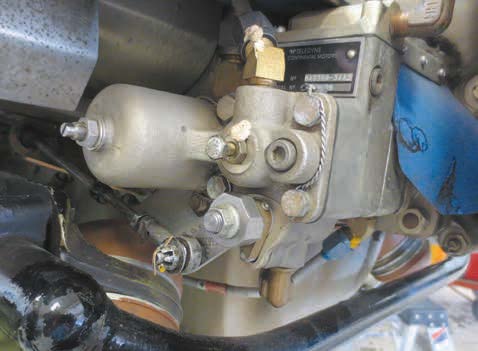
That is a Continental engine-driven fuel pump on a Piper Seneca’s TSIO-360 engine.

Some years ago I was taking an IPC and FR in a Piper Aztec. A few minutes into the climb, I shut off the aux pumps, one at a time. A few seconds later, one engine quit. I turned the pumps back on and the engine restarted. After leveling off and setting low cruise power, I tried turning off the pumps again, and found that the left engine was the problem. It would run fine with the aux pump on; not at all with it off.

I assumed that the engine-driven fuel pump had failed. I called ATC and said I was returning. On landing rollout, the left engine quit and wouldn’t restart. I foolishly taxied to the FBO on the right engine, a fire truck following uselessly. As I shut down the right engine, the chief mechanic appeared and told me in a loud voice that there was fuel dripping from the left nacelle.

Rick Durden

Senior Editor Rick Durden has written for Aviation Consumer since 1994 and specializes in aviation law. Rick is an active CFII and holds an ATP with type ratings in the Douglas DC-3 and Cessna Citation. He is the author of The Thinking Pilot’s Flight Manual or, How to Survive Flying Little Airplanes and Have a Ball Doing It, Vols. 1 & 2.