









The long-awaited age of the VLJ has begun. The Eclipse 500 and the Cessna 510 Mustang are the vanguard of the new movement. Eclipse is now building almost one new jet airplane each work day. Cessna delivered 45 airplanes in 2007 and is ramping up to build two Mustangs a week.
There are already close to 200 VLJs out there. By this time next year that number will have more than doubled, and soon other manufacturers will be swelling the
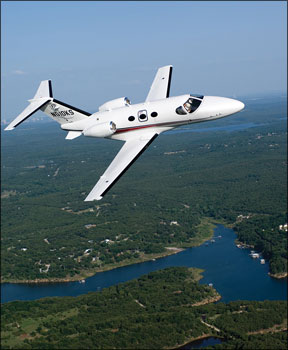
ranks of Jet-A consumers.
One of the looming worries for VLJ builders and potential owner-pilots is what the cost of insuring these jets will be, or if it will be available at all for budding jet pilots.
Lucky Break for Jet Jocks
The first entries into the VLJ market are finding one of the most receptive insurance markets in recent history. Depending upon how you count, there are between four and six new aviation insurance providers in the United States, on top of the companies that were already doing business three years ago. Competition is driving rates down and forcing insurers to look at deals they would not have looked at even three years ago.
About half the current underwriters routinely insure single-pilot jets. Much of the new, owner-flown, VLJ business is going to two companies: AIG Aviation and C.V. Starr. Representatives of both told us that they had quoted and insured a substantial number of Eclipse and Mustangs for private-owner pilots
Companies playing in the light-jet business for owner-pilots may be crossing their fingers, but they seem anxious to do business. Smooth limits of liability (those without passenger sub-limits) are available for virtually any pilot who has completed the manufacturers training regimen – something thats rarely true for pilots transitioning into piston twins. While just about all of the policies written for these airplanes require that the owner has successfully completed the manufacturers approved school, many do not stipulate a minimum number of flight hours required, which is unusual for new aircraft types.
Limits of liability available vary with the experience of the pilot. Most companies told us that they would not offer more than $10 million for any type of single-pilot operation, and only in cases where pilots had excellent experience. One company said they would offer up to $25 million if the airplane was flown by a single, professional pilot. Most amateurs with prior turbine experience will be able to get between $2 million and $5 million of coverage. Physical damage premiums also vary with pilot experience. Insuring the hull of a Mustang will usually cost more because the airplane is almost 50 percent more expensive than the Eclipse.
While total premiums and limits vary a great deal, it seemed from our conversations as if a reasonably qualified new Eclipse pilot could buy insurance for between $25,000 and $35,000 per year. More qualified pilots can buy higher limits and will usually pay less. A similar Mustang pilot might expect to pay between $35,000 and $50,000, simply because of the higher value of the airplane.
The Fine Print: Training
To underwriters deciding whether or not to insure an airplane and how much to