











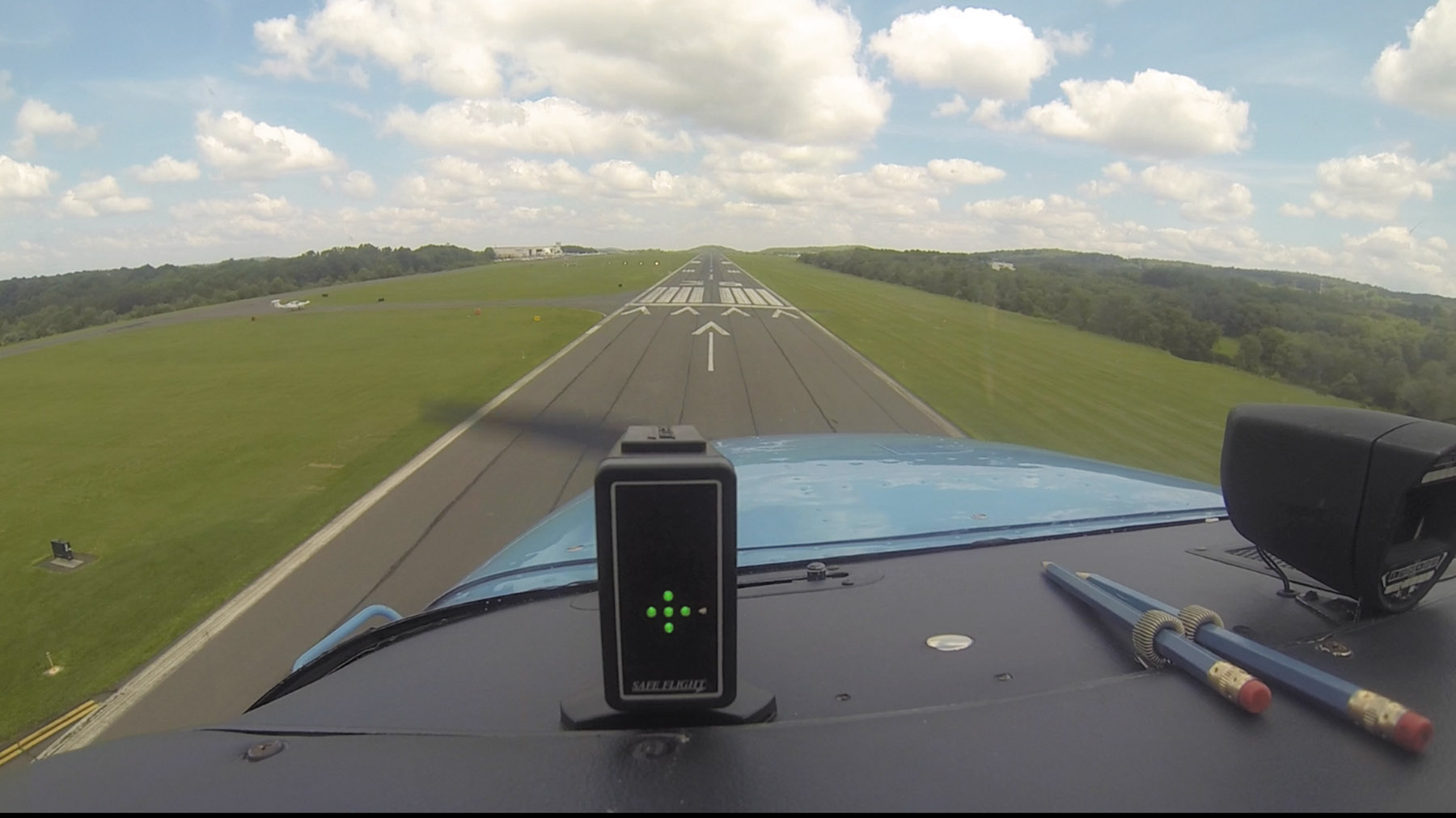
Hats off to the FAA for finally suggesting that all airplanes be equipped with angle of attack systems. The agency recently published a special airworthiness information bulletin (SAIB) recommending that AoA systems become standard equipment in new airplanes and retrofitted in existing ones.
As background in the bulletin, the FAA calls attention to the 2009 Colgan Air Dash 8 airliner crash in New York, and the flying pilot’s “inappropriate response to the airplane’s stick shaker” and the resulting low speed and eventual stall. But you don’t have to look far beyond the highly publicized Colgan wreck to find plenty of other ones where the pilot simply didn’t recognize a slow-speed condition by referencing the standard airspeed indicator alone. Never flown with an AoA? I hadn’t, either, until I had a crack at Safe Flight Instrument Corporation’s wing leading-edge speed indexer in the company’s Beech Baron in the mid-2000s. I’ve been a believer ever since. Since Safe Flight invented the stall warning system lift detection system in the 1940s, its AoA tech leverages a similar wing leading-edge sensor for AoA and speed indexing. That’s a photo I captured of Safe Flight’s second-gen system from a demo flight on approach to Waterbury Oxford Airport in Connecticut in the company’s Cessna.