









Insurance

CAN I GET INSURANCE?

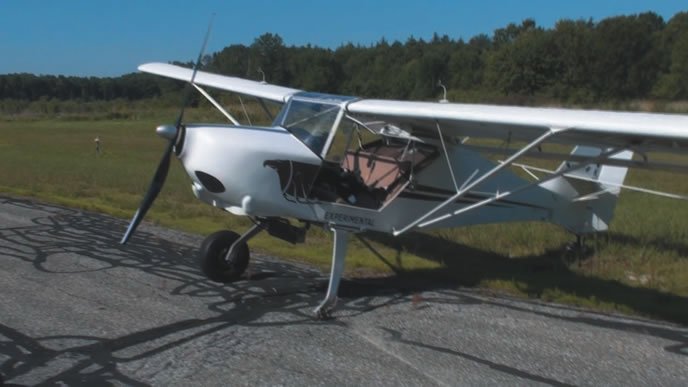
We asked Jon Doolittle, principal of Sutton James aviation insurance brokers and a CFI, about the insurance market for a new tailwheel pilot buying his dream airplane. He told us that it depends a little on what kind of airplane. For Cubs, Champs, Citabrias and similar, fairly benign handling machines, 10 hours of dual, including a tailwheel sign off, will work. Some companies do not require a specific number of hours, just an endorsement will suffice.


Read More »

Aviation Insurance: Soft Market, Low Prices

There are only some 200,000 aircraft in the U.S.-there are more cars than that in a large town-so why any profit-oriented insurer would enter such a restricted market seems to defy logic. Yet, in the last decade, the number of aviation insurance underwriters has gone from the old, hard core of nine to 14, an increase of more than 50 percent. The result is predictable-with a relatively large number of companies competing in a limited market, insurance premiums are low and owners have little trouble getting coverage.

Read More »

Policy Sublimits: Wealth Hazard?

For more than 30 years, the most popular liability policy in aviation has provided coverage of $1 million with sublimits of $100,000. Owners sleep soundly at night, confident that they have an insurance pool of a million bucks should they roll Ol Bessy into a ball. These same owners have the personal net worth necessary to own an airplane and often have auto and homeowners insurance that has at least $1 million in liability coverage.

Read More »

Light Sport Liability Insurance: Not So Soft

As the number of Light Sport airplanes increases and more pilots are opting to forego the third class medical and simply fly Light Sport, we were curious to see how the insurance market is for liability coverage for those airplanes.

Read More »

Insuring Your Rental Blowtorch

As we researched this article, we heard about a turboprop owner who was renting a single-pilot jet. When asked how he was insuring the jet, he said that he paid a lot of money for insurance on his turboprop and it had better cover him in the jet. He then got concerned and called his broker. Fortunately, his particular policy covered him when he was flying other airplanes-but thats not always the case. If youre going to rent a jet, making sure that appropriate insurance coverage is in place is a huge part of the deal.

Read More »

Letters: April 2015

My airplane partner and I are upgrading the radios in our piston single to bring them into the present century and to comply with the ADS-B mandate. After much thought and discussion, we decided on Avidynes IFD540 box you reviewed in the March issue. Avidynes AeroPlan extended warranty plan offers a free warranty extension for three years. However, to get the extension, we have to sign a Waiver, Release and Indemnification document that could bankrupt us.

Read More »

Life Guardian Aero455: Panel-Ox, CO Minder

The Guardian Aero455 panel oximeter might not have been invented if company founder Ash Vij didn’t find himself crossing the Rockies in his Cessna 206 without a pulse oximeter. He knew the status of his oxygen supply, but was pretty interested to know his blood saturation. Vij is convinced that his panel oximeter is the cure-all for misplaced portables.

Read More »

Tax Considerations: Biz Aircraft Deductions

With the 100 percent bonus depreciation rule in effect, 2011 was a good year to buy a new aircraft for business use. But to claim the benefits of the bonus, you need to get your filing details in order and not overlook the record keeping necessary to justify the bonus claim. Further, to avoid getting afoul of the IRS, it’s critical to understand what business use really is. As for 2012, the bonus will be 50 percent, but if combined with allowable expensing elections, you can still claim a sizable chunk of depreciation to reduce your tax burden and make the cost of a new airplane for business use more appealing than it otherwise might be.

Read More »

Insurance Valuation: Too Much, or Too Little?

Flying is one of the fastest ways to burn money in this life. Airplanes are expensive and helicopters even more so. For most light airplane owners who fly less than 100 hours each year, owning the airplane actually costs more than operating it. And in recent years, many airplanes are depreciating much faster than they are being physically worn out. Buying the right amount of insurance to match the aircrafts value is trickier than it used to be, but is still the only way to protect an expensive investment.When deciding how much physical damage coverage to buy, there are two considerations, depending upon what happens to the airplane.

Read More »

Still a Soft Market But Not For Long

Insurance rates for most general aviation aircraft are lower than they have been in many years and some industry insiders believe that we are on the brink of a sea change. Even in this wildly cyclical business, old timers agree that this “soft” market is the deepest and longest lasting that theyve ever seen. With prices as low as they are, this is a challenging time for underwriters. Predictions about where the market will go, how far and how quickly run the gamut.

Read More »

Aircraft Insurance Industry – A Buyers Market: But Its About to Swing

The good news about aircraft insurance is that for most owners, insurance has never been more affordable or more available. The bad news is that most people in the business think that the pendulum is about to swing back the other way. What got us here? Ironically, the 911 attacks had something to do with it as does the current economic malaise. Demand is slack, there are more providers than ever and companies are willing to deal. But, as always, it wont last. Following the 9/11 attacks, insurance rates for most aircraft increased dramatically. The amount of the increases depended upon the market segment, with many big iron operators seeing their rates double overnight. Most light aircraft owners saw less of an impact, but as a result, 2002 and 2003 were some of the most profitable years for the industry in recent history.

Read More »

Aviation Insurance Myths: Idiocy Isnt Covered

Test your knowledge of aviation insurance practices. Which of the following statements is true? If you take off 250 pounds over gross, youre in violation of the FARs and your insurer wont pay any claim resulting from an accident related to the overgross condition. On a long cross country, you blithely forget a weather briefing and fly straight into the icing layer from hell. You end the flight (alive and scared) in a farmers muddy cornfield. Your insurer wont pay. Last, you forgot that your annual was due last week, but only after you landed gear up. Your insurer wont pay. The answers? Probably false, even though the fine print in your insurance contract clearly allows the insurer to deny a claim, in many circumstances-perhaps the majority-they pay the claim anyway. Why? Several reasons. One is that laws governing contracts like insurance policies from state to state and some regulators take a more customer friendly stance than do others. Second, the aviation insurance business is a small (and shrinking) segment. A company with a habit of denying claims will soon find its business going elsewhere.

Read More »