









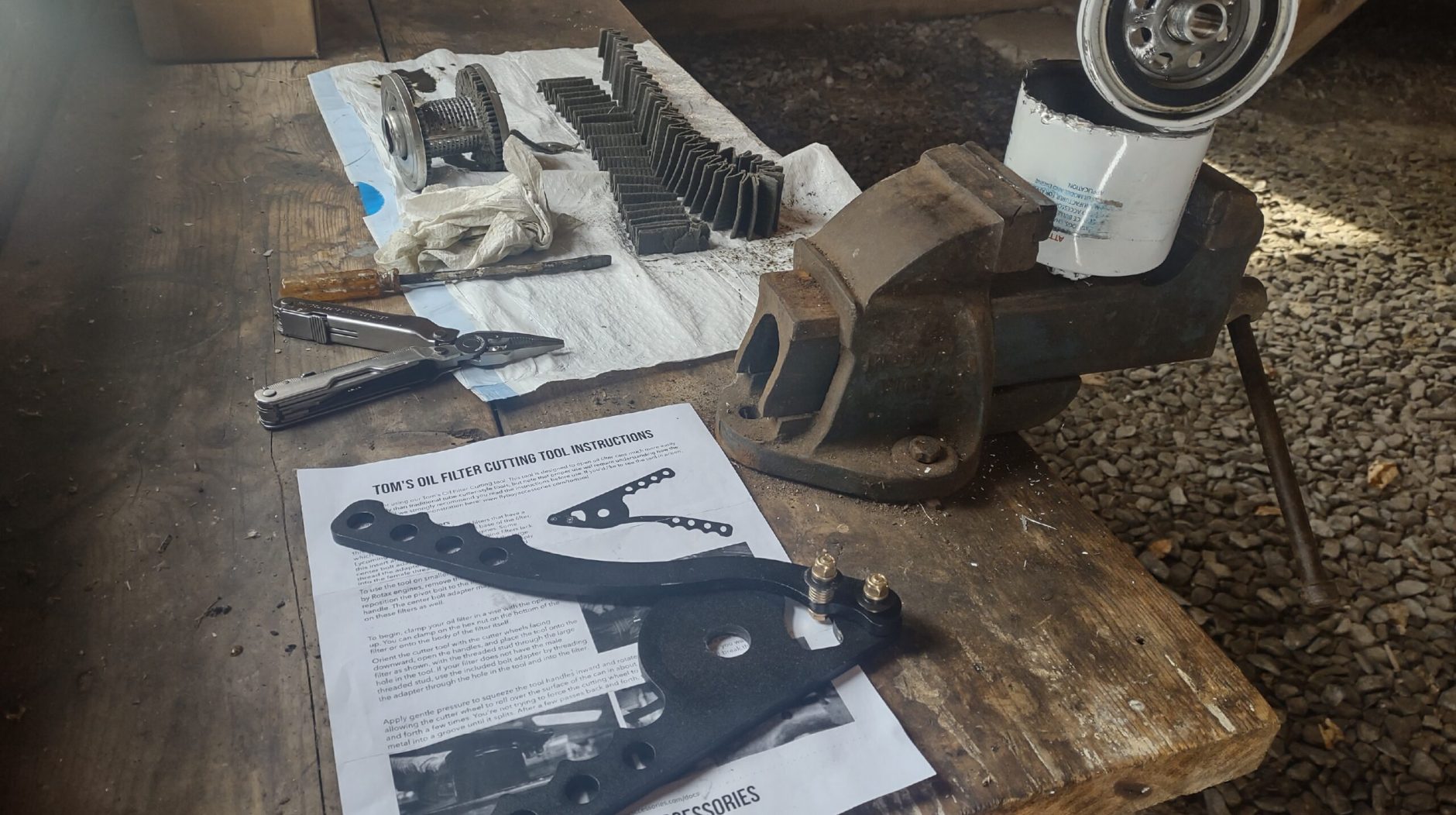
Review: Tom’s Oil Filter Cutting Tool Helps Clean Up Oil Changes
Not all filter cutting tools are created equal, and this one stands out.


Not all filter cutting tools are created equal, and this one stands out.
Aviators are not always the easiest people to buy gifts for, but our list, based on personal pilot experience, might help.

If you’re doing your own routine maintenance—and if you’re not, why not?—you’re going to need a means to open your canister oil filter after every oil change. There are choices on the market, and each design seems to follow a slightly different philosophy, even if the desired result is much the same: Cut the base […]

You don’t have to look far into any aviation retailers catalogue to find sunglasses that cater to pilots. Yes, we know there are plenty of cheaper brands you can find at Sunglass Hut and other non-aviation retailers, and we also know that selecting glasses is as personal as selecting clothing. A cheap pair of drugstore shades may suit you just fine.
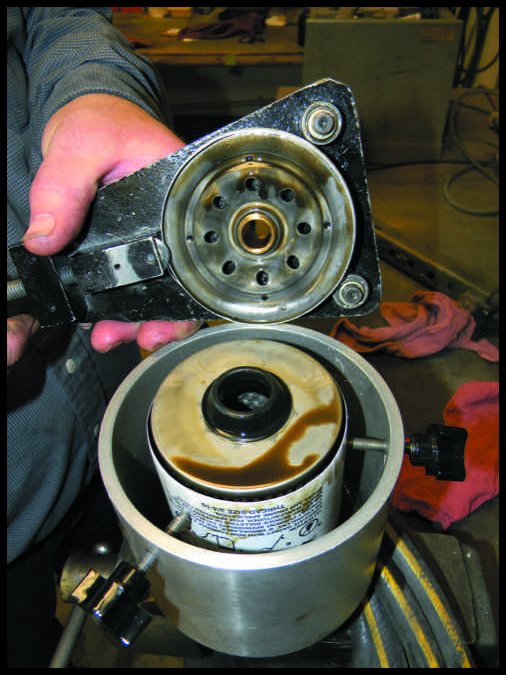
In addition to oil lab analysis, weve always recommended cutting open the spin-on filter for physical analysis. If the engine is shedding certain metals, you could spot them in the filter, especially ones that have trap magnets.

When modern aerodiesel engines made their surprise appearance at the Berlin Airshow in 2002, the numbers didnt add up once the costs ultimately came to light. The engines were certainly economical, but they were twice as expensive as gasoline engines, had half the TBOs and required pricey gearboxes and other components at short-run hours intervals. A decade and a half later, these automotive-based engines may finally be turning a corner of sorts, with the announcement by Continental Motors last spring that its CD135/155 series engines will have replacement intervals increased to 2100 hours from 1500 hours.

Even with fuel prices at historic lows in the aviation world, pilots are constantly looking to save when they top off. Various apps keep us apprised of current pump prices, so we can plan our stops. But, what if there were a way to get a discount from the retail price when we taxi up to an FBO?

We consider engine oil analysis to be a valuable early warning system for certain types of engine problems. It allows an aircraft owner and maintenance technician to catch those problems before they become safety of flight items. Because we feel its valuable, we wanted to know more about the labs that perform it. Do they give results consistent with each other? What is the turnaround time for a sample? Can they explain the results of a sample in a way that makes sense to an aircraft owner? Is there information on their website about the process and results clearly?
Back in 1996, when General Aviation Modifications, Inc., (GAMI) of Ada, Oklahoma, announced that it had developed tuned fuel injectors called GAMIjectors, we were skeptical of claims that these gadgets made the engine smoother and more economical through lean of peak EGT (LOP) operation. After all, we’d seen our share of bolt-on engine devices that promised to enhance engine performance, longevity and cut fuel use than we liked to recall. Few if them worked. But GAMI was persistent and it published detailed engine operational data which helped sell the product to a pilot community accustomed to “trust-us, it-works” marketing. GAMIjectors developed a strong following, with more than 1000 selling in the first year. Loyal acolytes praised them to the skies, insisting that they were burning less fuel and their engines were running cooler. A devoted core of skeptics took the opposite view, arguing that owners were going to burn up their engines, cylinder life would be measured in double digits and the engine manufacturers would deny warranty claims on modified engines.

While the FAA and the oil industry plod along toward an eventual replacement for 100LL, one alternative persists like a large elephant squatting uncomfortably on the conference room table: mogas. We know more owners, desperate for at least some kind of clarity, are seriously considering it as an option. Moreover, the list of airplanes that can burn mogas is longer than you might imagine and likely to grow. Last year, Lycoming quietly announced that it had approved its 180-HP parallel-valve O-360 series for use with a specific grade of mogas. Does this mean the company is bullish on mogas as an alternative to a 100-octane equivalent? Not really. The company is just responding to market realities. In other parts of the world-Europe and Asia, mainly-mogas is becoming a fuel of choice because avgas and the infrastructure to dispense it isn’t available.
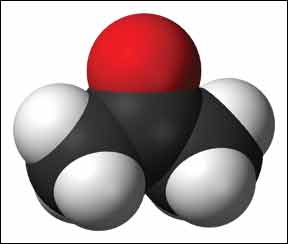
The two leading contenders to replace 100LL with an unleaded equivalent, Swift Enterprises Swift Fuel and General Aviation Modification Inc.s G100UL, both say their fuel will cost more than 100LL. But how much more? We took our own run at it based on what weve been able to glean about these fuels from patent filings and information from the two companies. According to its patent filings and published FAA test data, Swift is a binary blend of mesitylene (also known as trimethylbenzene) and isopentane. Mesitylene is a bit of an exotic, used for specialized solvents and industrial processes. Its a terrific octane enhancer, but so rare in industy that no commodity prices are available. One supplier we contacted sells it for $53 a gallon, a price thats obviously unsustainable for fuel use.
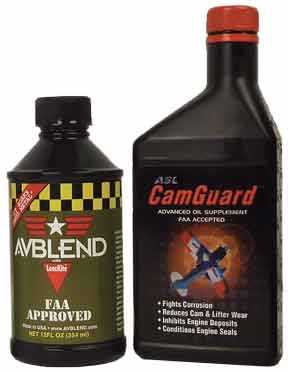
Oil leads a tough life. Its supposed to lubricate, seal, clean and cool the running engine. After shutdown, its supposed to protect metal surfaces so the next start doesnt scrape off corroded material thats ultimately replaced from your wallet via a premature overhaul. Oil companies will improve the oil as best they can, but their choices to market a case of oil at the right price might not match your preference for long-term investment in your engine. The bottom line is this: Is it worth up to an extra dollar an hour-maybe $2000 over the life of an engine-to beef up your oil?