










Digital Fuel Sensors: Installation-Critical

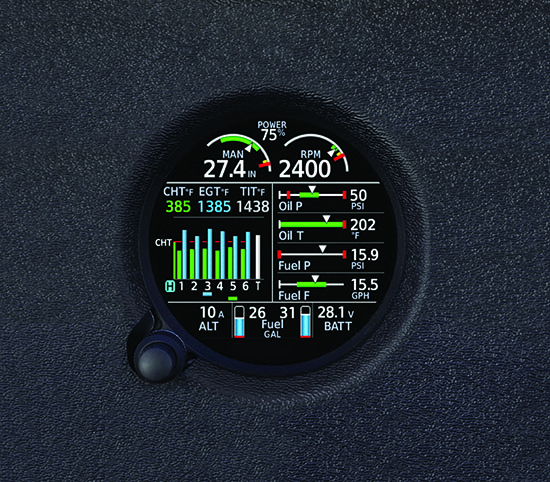
Which is the fuller tank? A Garmin EIS interfaced with digital fuel senders, left, is a much better and exacting means of minding fuel quantity than the Cessna OEM fuel quantity indicator in the lower right. But shortchanging the sender install will compromise accuracy.

Venture on a primary engine instrumentation system retrofit (which often includes a fuel quantity display) and you’ll have some critical decisions to make. Primarily, will you use the existing OEM analog fuel tank sensors? This is where a lot of otherwise good installations go off the rails.

That’s because in an effort to save money, it’s tempting to use the existing sensors as they sit or have them repaired or overhauled in hopes of tweaking out some accuracy and reliability. As many discover, this isn’t a guarantee that the new digital fuel quantity display will read any more accurately than the mechanical quantity gauge.

Larry Anglisano

Editor in Chief Larry Anglisano has been a staple at Aviation Consumer since 1995. An active land, sea and glider pilot, Larry has over 30 years’ experience as an avionics repairman and flight test pilot. He’s the editorial director overseeing sister publications Aviation Safety magazine, IFR magazine and is a regular contributor to KITPLANES magazine with his Avionics Bootcamp column.