










Avgas Breakthrough: GAMI Gets The STC

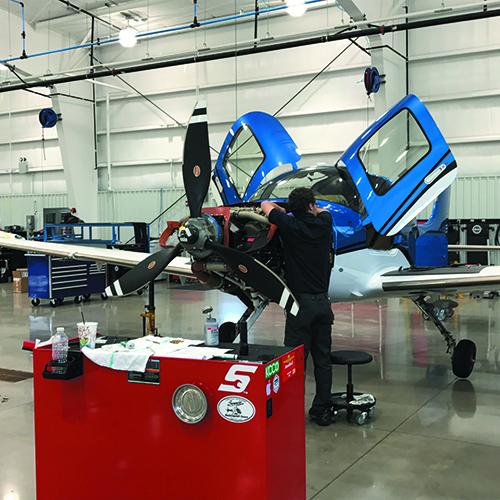
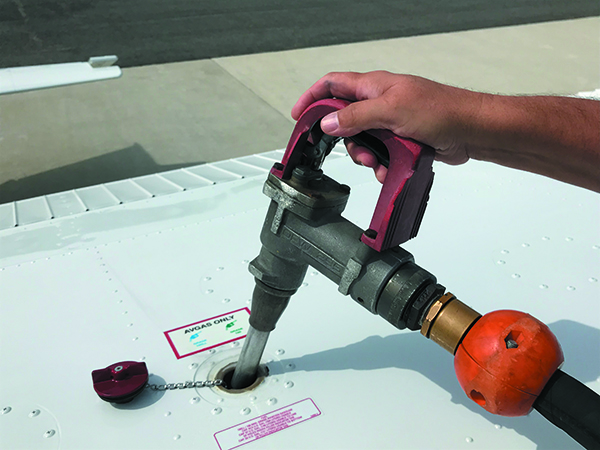
It could be the grandest STC ever, and it’s awarded to Oklahoma-based General Aviation Modifications Inc., for its 100-octane G100 unleaded fuel. The STC is for Lycoming-equipped Cessna 172 models, but the company says it will be expanded in time. That could be sooner than some expect, given the approved data that’s already in place. […]
Read More »

Unleaded Avgas: More Q&A, Updates

In the March 2021 issue of Aviation Consumer, I started a lively discussion on the development of unleaded avgas—a topic that’s again on the EPA’s radar.  Several companies continue to work the engineering necessary to make unleaded avgas a reality for the majority of our GA aircraft engines. Here’s a continuation of the discussion, and […]

Read More »

Unleaded Avgas Q&A: Closer To Pumps?

A few years have passed since the unleaded avgas discussion came full circle, but we’re still pumping 100LL. Make no mistake, it’s still an EPA focus. We could find ourselves modifying engines to make unleaded gas work in our airplanes. It’s worth a Q&A discussion, which I share here. DEVELOPMENTAL SIMMER Full disclaimer: I was an […]

Read More »

Engine Lube 101: The Logic Process

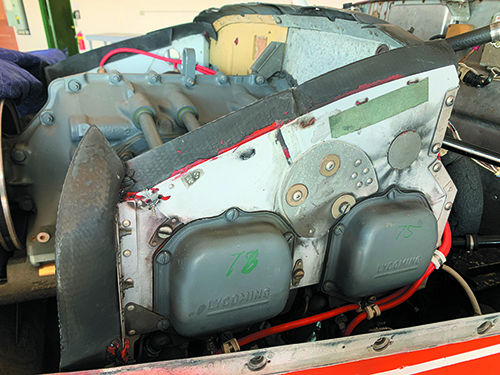
The steps for choosing the right engine oil blend are based on simple and perhaps not so simple logic. Moreover, your value drivers may add some variation, but here I try to make my thinking apparent so you can evaluate what’s appropriate for your engine and ops.  If you have a Lycoming O320-H2AD or O360E […]

Read More »

Which Oil Blend? Engine, Temp, Intervals

The article in the November 2019 Aviation Consumer on the new Phillips Victory aviation oil prompted lots of letters from readers asking how they might choose the perfect oil for their engines.  There isn’t a one-blend, across-the-board pick, of course, but I can offer a straightforward guide for a logical decision-making process. Let’s start with […]

Read More »

Intercooling 101: Detonation Defense

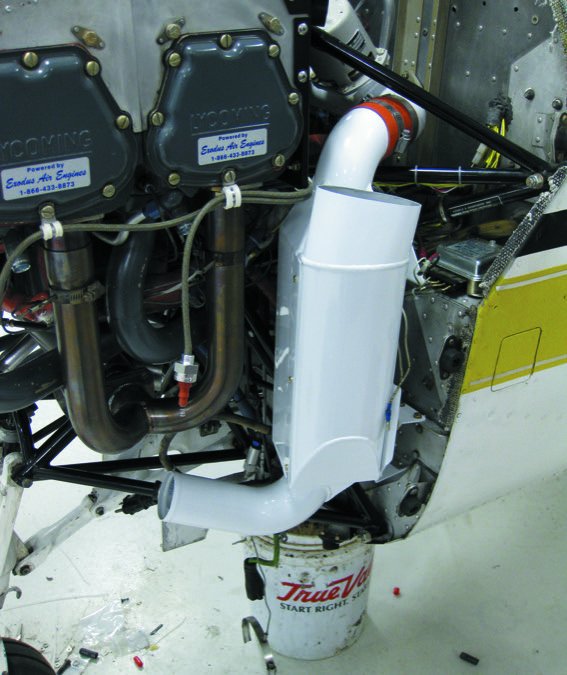
An intercoolers goal is fairly simple: Reduce induction air temperature. If you had a simple Ideal Gas Law PV=nRT compressor, the simple fact of compressing gas (in this case, ambient air) from, say, 10 PSIA and 23 F (at roughly 10,000 feet) back to sea level pressure of 14.7 PSIG would heat the gas. But, in addition to that ideal gas behavior, our turbocharger compressors have other inefficiencies, like internal recirculation and heat transfer from the cowling environment, that heat the gas further. Its not uncommon to see compressor discharge temperatures (CDT) over 200 degrees F at middle altitudes and over 300 F in the flight levels.

Read More »

O2 Concentrators: Inogen Aviator Is Tops

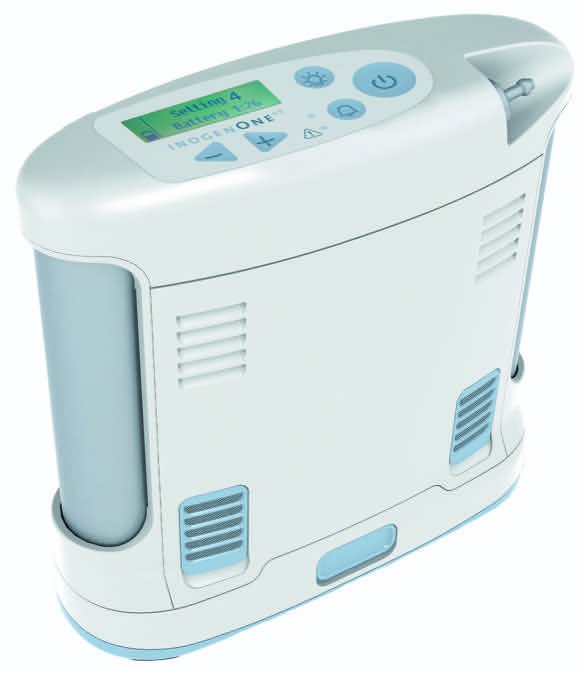
There are good reasons to make oxygen available at altitudes less than those recommended by the FAA. Face it, unless youre using a pulse oximeter on every flight (we certainly don’t when flying at lower altitudes), you don’t really know how your physiology is reacting on a given day. We think blood oxygen saturation is an important biometric to keep on top of.

Read More »