SkyView In A Skyhawk: Big Work, But Worth It

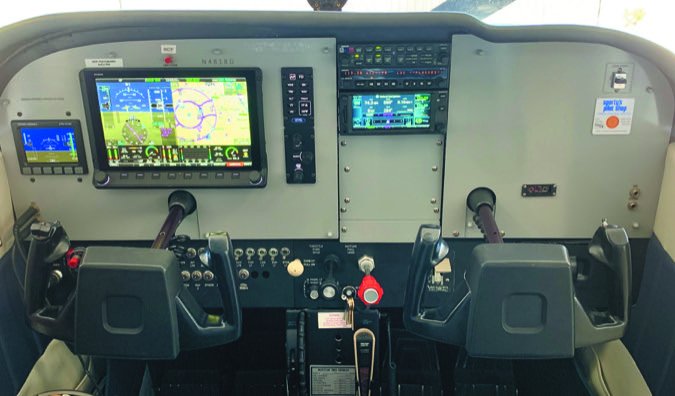
But the avionics were showing their age. Buttons on the radios and transponder were wearing out from sheer hours of use. Display streaks on the MFD made you think it had been left out in the rain. The GPS database could no longer be updated with all modern approach fixes. The autopilot ready light no longer lit. The engine monitor sort-of told you the EGTs and CHTs if you brought your reading glasses and the sun wasn’t too bright.

Read More »

Sub-$200 ADS-B: Scout Versus RXWX

With the ADS-B mandate creeping closer, were seeing more aircraft owners pony up for the minimum compliance of ADS-B Out when transponder work is needed. That satisfies the FAA, but does nothing for receiving weather and traffic information in the cockpit. We flight tested two units that get it done for rock-bottom pricing.

Read More »

ForeFlight 8: New Maps, Logbook, Web Planning

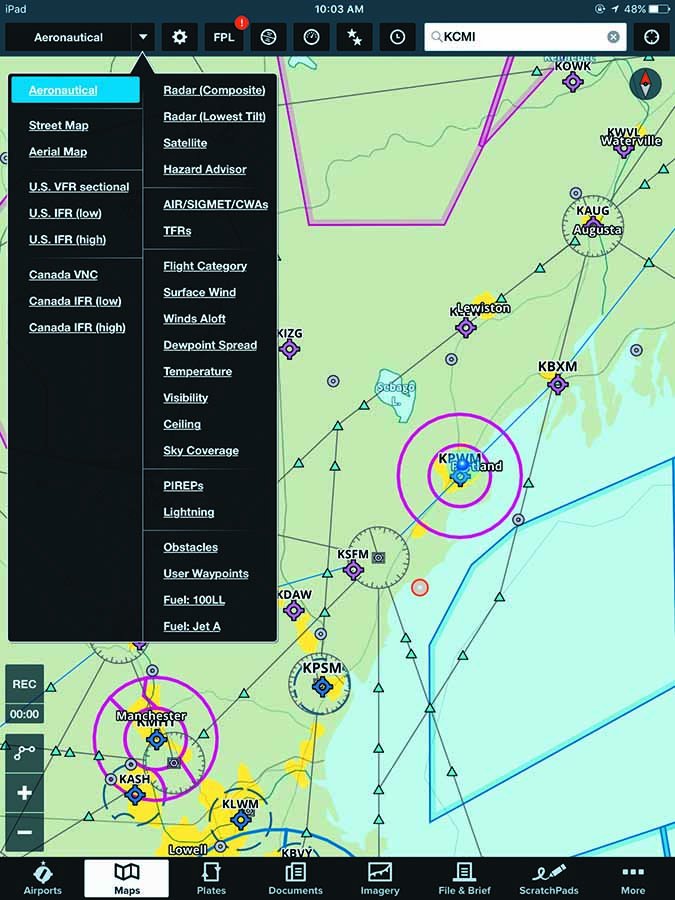
One of the major announcements from AirVenture 2016 was ForeFlights version 8. At least it was major in the eyes of the company. ForeFlight CEO Tyson Weihs told us it might be our biggest release since 2011. That year marked ForeFlights first release designed specifically for the iPad, which one could argue changed GA cockpit information forever. ForeFlight 8 didnt actually release until late August, but weve logged time with a preview version since this summer and only half agree with Weihs. The new version lays the groundwork for huge changes. However, we doubt the day-to-day use of the app will change for most pilots. Not yet anyway. Check out the sidebar on page 19 for more on that. For whats actually new in the app, read on.

Read More »

Everything Old is New

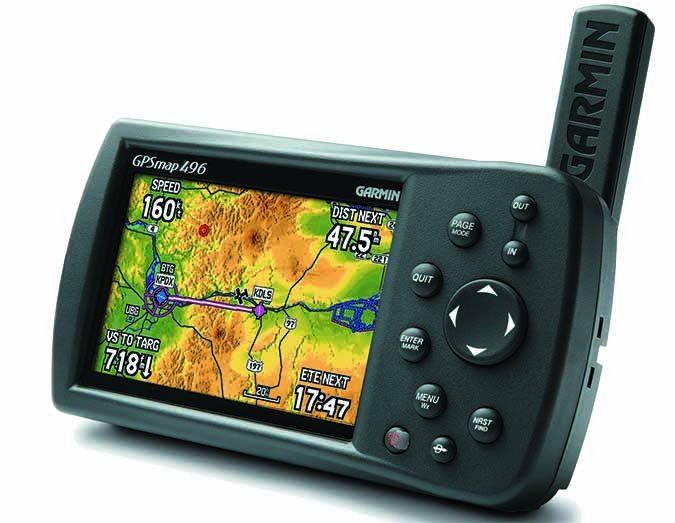
You could argue this is exactly whats going on with ForeFlight 8 and its new maps system. Wasnt this what AnywhereMap and the Garmin 396 did? Isnt this what WingX originally did and still offers? In fact, didnt sectional and en route charts appear in our tablet apps because users demanded facsimiles of the paper charts?

Read More »

Stratux ADS-B: DIY and Save Big

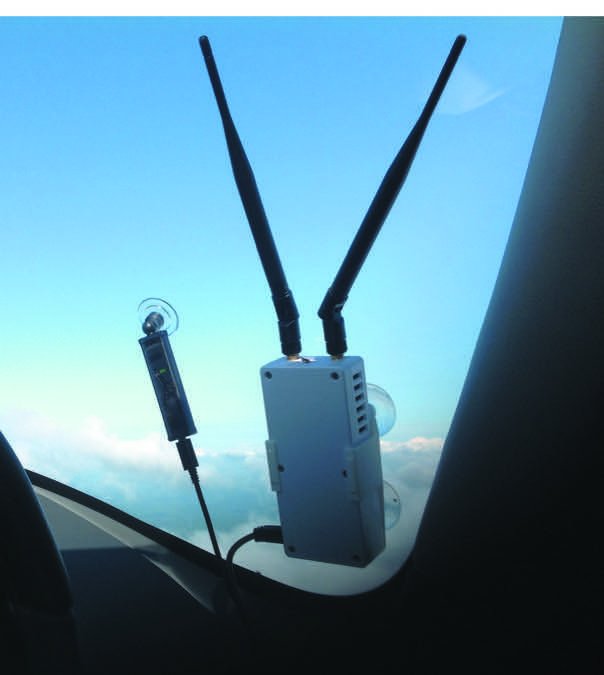
Portable ADS-B In isn’t that complicated. It requires a 978 MHz receiver for weather and some traffic, a simple computer that converts those signals to a common protocol and transmits the results via Wi-Fi. You can pump up system performance with a second 1090 MHz traffic receiver, GPS position and AHRS. So if you had the right shopping list, the software to put on the computer and a little technical savvy, you should be able make your own. And thats exactly what the Stratux is. We built one and discovered: Yes, you can build a working portable ADS-B receiver with parts ordered off Amazon. No, its not just as good as an Appareo Stratus 2S. And, yes, it will work with ForeFlight-at least for now.

Read More »

Renter’s Insurance Low Time = Low Limits

While it’s easy to peg GA’s continuing decline on rising avgas prices or threadbare FBO aircraft, the reality is more diverse. It’s a “death by a thousand cuts,” where cost and the fleet are major wounds, but free time, demographics, and a score of other factors play in.

Read More »

Personal 406 Beacons: ACR ResQLink+ is Tops

When we last looked at Personal Locator Beacons (PLBs) in 2008, the global satellites were still listening on 121.5 and the cost of a fancy 406 MHz ELT could hit $4000. Today the only people who might hear your cry for help on 121.5 are CAP patrols or a passing airliner, and 406 MHz ELTs can be had for $600-$1400. (See the June 2010 Aviation Consumer for the most recent review of these units.) Is there still a place for PLBs the cockpit? We think so. Not everyone has or wants to upgrade to a 406 MHz ELT. Even if the hardware cost isn’t off-putting, the bill for the required rewiring might be. If you end up in the water, the PLB can stay with you even if the plane sinks. If you’re in remote territory, you can let the ELT activate on its own and have your own PLB to activate after the ELT battery runs out. It’s almost always best to stay with your downed aircraft, but you can easily take the PLB with you if need be. And you can take it on a hike even if you didn’t crash.

Read More »

Cessna’s Reborn TTX: A Polished Performer

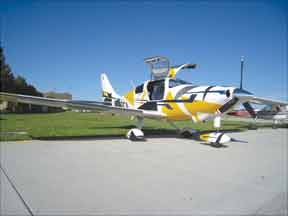
No one could blame the Cessna TTX for having a bit of an identity crisis. This latest iteration is the fourth name change for the aircraft (and is technically written TTX). It also bears a striking resemblance to the Cirrus SR aircraft, which outnumber it better than 10 to one. Today’s TTX started life as the Columbia. This was a certified aircraft from kit company Lancair, whose fiberglass aerial hotrods topped 300 knots on a like quantity of horsepower with wings the size of boogie boards. The Columbia leveraged that expertise, but was a clean-sheet design. The final results were impressive: Terrific low-speed handling with a 59-knot Vso while still topping 200 knots at altitude, and impressive crashworthiness (see www.niar.wichita.edu/agate/ and scroll down to the videos).

Read More »

Interior Shop Survey: A Big Drop in Activity

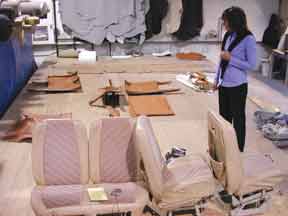
Discretionary spending is one of the first casualties of tougher times, so we expected a drop in responses to our latest survey on interior shops. When you need a new engine, you pony up. But the airplane still flies with threadbare seats and cracked vinyl. You can tough it out. But this mineshaft canary survey surprised us. In 2008, we got 209 responses—not an overwhelming number, but enough to see some trends and make some solid recommendations. This time we got 132 responses. That’s a 37-percent drop, which is much more significant than we’ve seen on other surveys past to present. We also noticed a sharp rise in the number of do-it-yourself jobs. In 2008, six percent of the respondents bought kits from Airtex or reported some other DIY interior. This time, 10 percent had bought Airtex interiors, and that number climbs to 16 percent if you lump together those using Airtex kits with several folks who removed parts, brought them to a local auto upholstery shop and then reinstalled them.


Read More »

Garmin’s ADS-B WX: One Box Amidst Many

The GDL 39 is robust in more ways than one. It’s a solid performer, starting up fast and picking up ADS-B ground stations as soon or sooner than any of the systems we’ve tried. As you’d imagine from a Garmin product, the GPS is built in. Reception was flawless on our test trip from Portland, Maine, to Oshkosh, Wisconsin, paired to both a Garmin 796 aera and an iPad. While we didn’t test it, the GDL 39 can pair with two devices via Bluetooth and one via a cable all at once. The aera currently requires the cable, but the 796 has Bluetooth built in and will connect wirelessly in the future. The GDL 39 is also big. The unit is about the size of a sardine can, and the optional battery almost doubles that size. This is noticeably larger than the popular Stratus and could be a shipping box for a pair of Sage-tech or Dual ADS-B receivers.

Read More »

Sennheiser S1 Passive: High Marks on Comfort

Active noise reduction (ANR) headsets are a terrific investment. But not everyone can afford the $400-$1100 to baby the ears of occasional riders. Sennheiser thinks they have a good solution in the passive (non-ANR) version of their S1 Digital headset. We half agree, finding it an exceedingly comfortable headset, but only up to the challenge of cutting the noise in quieter cockpits. The S1 Passive inherited several features from the S1 Digital. The ear pads are thick, with a special “eyeglass zone” of extra pliant foam right where sunglass or eyeglass temples would pass under the earseals. Our experience was good even with thick sunglasses, but there is still some air leakage compared to no glasses at all.

Read More »
Loading Posts