











In the not-that-rarified world of LSA marketing, Remos enjoys a spot in the top 10, thanks to modest penetration in the training market and the fact that the company has been around the block a few times. At a distance, a Remos may look like just another white composite LSA, but up close, it struts some different stuff. These are exceptionally carefully crafted airplanes and despite their relatively high prices, theyve sold rather we’ll in the U.S., occupying a spot behind Tecnam and Legend, according to LSA guru Dan Johnsons research. With the announcement of the GX-NXT, the company is into its third generation design and although they havent exactly re-written the design brief, the newest airplane has some significant improvements on what was already a refined product. Remos aircraft are manufactured entirely in Germany, where high labor rates mean its not going to compete on price with airplanes coming from Eastern Europe or China. The company claims that if price competition isn’t an option, build quality is and Remos clearly walks the walk in that regard. (Base is about $143,000; fully equipped, figure $160,000.) If you examine the airframe carefully, the fits are noticeably a cut above other LSAs. The glass work is smooth and ripple free, there are no variable gaps, no paint slobbers and no unfinished surfaces. The NXT we flew reminded us of Diamonds build quality and thats a high compliment. Less obvious is what must be an obsessive concern with weight, because the Remos airplanes come out of the European ultralight regulatory framework, which limits gross weight to 1020 pounds versus 1320 pounds under the U.S. LSA rules. So youd expect the Remos to have a light empty weight and it does: 717 pounds with a payload of 603 pounds. That means with full fuel-22 gallons, 21 usable-the NXT can haul 471 pounds, which is easily two people and a lot of stuff. With empty weights above 800 pounds, not all LSAs will do this well. On the other hand, there’s not a lot of room for stuff, either. The Remos airplanes have a quirky baggage arrangement that consists of a hatshelf-type area with molded pockets for things like headsets, charts and gadgets. Behind the left seat is a hatch with access to a larger 1.5-by-3-foot nook for larger baggage. Getting at it requires removing the seat, but thats not especially difficult to do. Speaking of seats, theyre adjustable, but not via tracks. They sit in a series of notches that afford three positions. Its not a bad design, but some pilots may find that they just cant find that perfect seat position to suit. Nonetheless, this is better than no adjustment at all.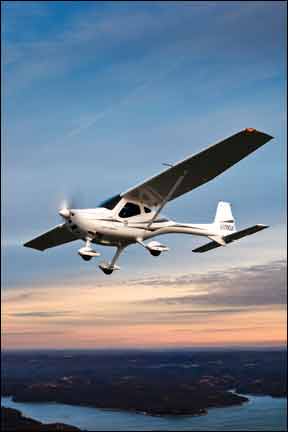
New and Improved
Remos Christian Majunke gave us a tour of changes in the NXT over the previous model and although they are largely incremental, theyre a bit more than just cosmetic. First, the glareshield has been shrunk in height so it provides better