










Composite Prop Mods: Lightweight, Efficient

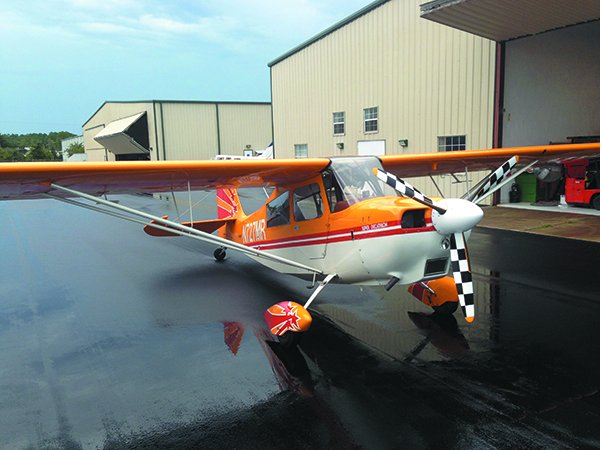
That's an MT compostite, constant-speed prop on an American Champion Super Decathlon. Aerobatic aircraft owners were among the first adapters of composite props because of weight and reduced operating loads on the engine crankshaft during aerobatics.

In a matter of less than three decades composite props have gone from interesting curiosities on homebuilt airplanes to widely accepted original equipment on new production airplanes and almost universally available aftermarket replacements for metal props on legacy birds. 

While still more expensive than their aluminum counterparts, the advantages of composite propellers in terms of weight, efficiency, ability to hold a complex airfoil, longevity, reduced vibration and—in many cases—increased performance means that their popularity has steadily increased. 

Rick Durden

Senior Editor Rick Durden has written for Aviation Consumer since 1994 and specializes in aviation law. Rick is an active CFII and holds an ATP with type ratings in the Douglas DC-3 and Cessna Citation. He is the author of The Thinking Pilot’s Flight Manual or, How to Survive Flying Little Airplanes and Have a Ball Doing It, Vols. 1 & 2.