











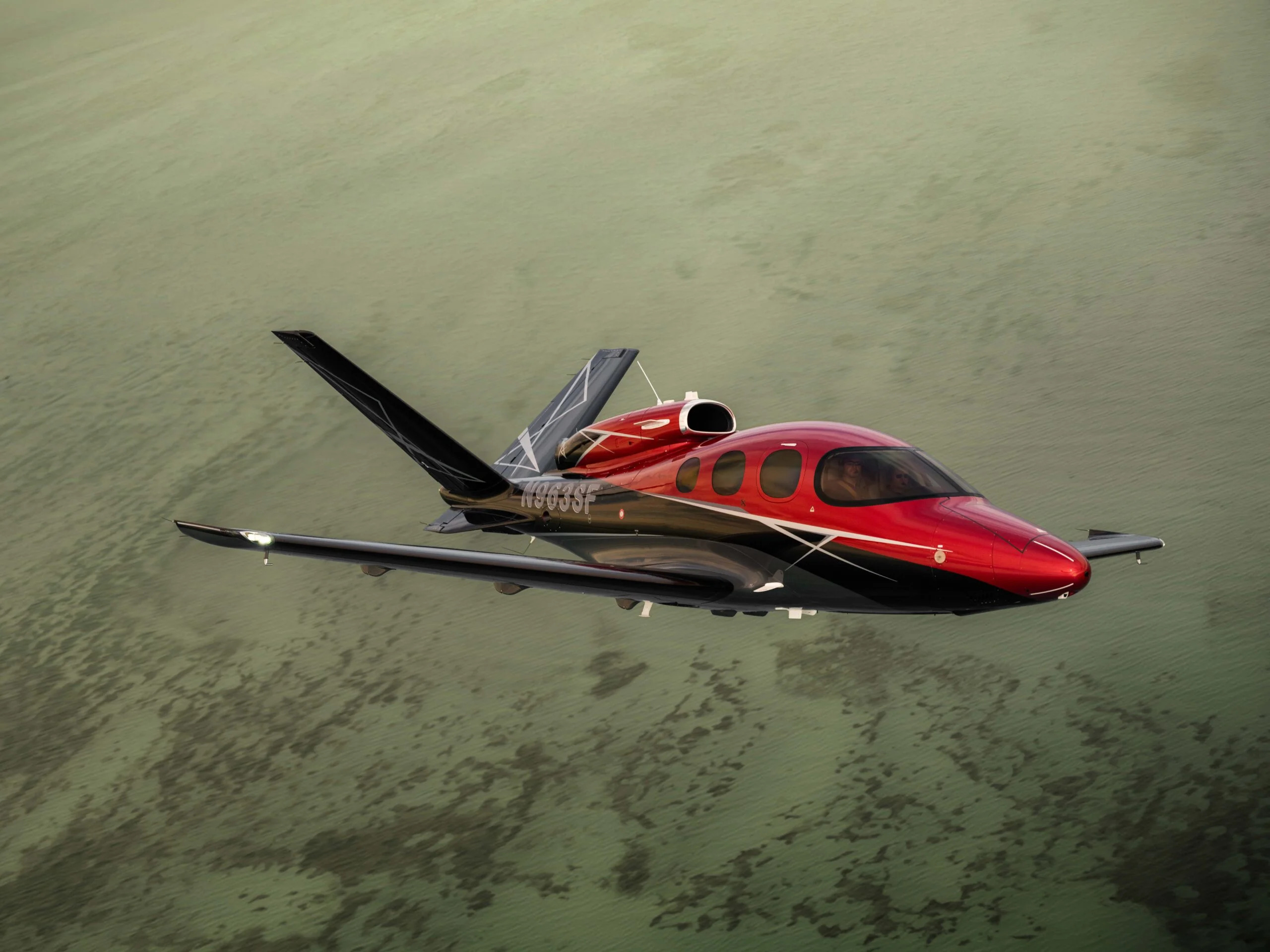
Cirrus Aircraft unveiled the third generation of its Vision Jet, which features a range of subtle improvements that, while seemingly straightforward, are likely to ease day-to-day operations significantly for pilots and passengers.
Changes include technical upgrades, such as ATC Datalink, which allows pilots to communicate with air traffic control via text messages that help keep frequencies clear and ease the handling of clearances and other complex communications. This is an airline-style system that can reduce the cockpit workload significantly.
Other improvements are utterly analog, but thoughtful and appealing. In addition to more comfortable seats and new interior trim, the pilot and copilot seats can now be adjusted fore and aft with a one-handed operation. This is a major improvement because moving the pilot seat full aft is a common part of the typical boarding procedure and used to require manipulation of levers with both hands.
Changes for Pilots, Passengers
Perhaps the most noticeable change for passengers is the third-row seat. In earlier Vision Jets, the third row consisted of an adult-size center seat flanked by two smaller seats better suited for children. When I flew the jet back in 2017, I could not help imagining myself in that rear seat trying to keep our two young sons occupied.

The new seat is a traditional bench with more room for two adults and space in between for a small child. In most cases, this layout is likely to make the best use of the space available.
While advancements built into the G3 version may not be revolutionary, one could argue that the jet itself has proved to be a watershed product. The G3’s introduction, coming roughly a decade after deliveries of the original model began in late 2016, provides an opportunity to take stock of the aircraft’s effect on the GA market.
Vision Jet: Singular Success
Cirrus has sold more than 700 Vision Jets so far, and the company said there are about 300 people on the waiting list for delivery of the G3, which costs about $3.5 million fully equipped. Some observers will conclude, correctly, that those numbers point to a long wait time, perhaps more than a year. More importantly, though, the figures represent a whole lot of former piston pilots who have made the jump to jets. I think it is safe to say that many would not have done so had the Vision Jet not been available.
From the beginning of the Vision Jet’s development, the goal was to offer owners of Cirrus SR-series and other high-performance piston singles a smoother, more intuitive transition to flying jets. The Vision Jet, while well suited for business use, was mainly meant to be a personal aircraft used for family travel. That explains the company’s focus on cabin comfort, ease of operation, and gentle flight characteristics.
“The G3 Vision Jet is a testament to our relentless innovation, continued investment in personal aviation and our owners who want to travel efficiently with award-winning safety features, the Cirrus Airframe Parachute System [CAPS] and Safe Return Emergency Autoland for peace of mind,” said Cirrus CEO Zean Nielsen.
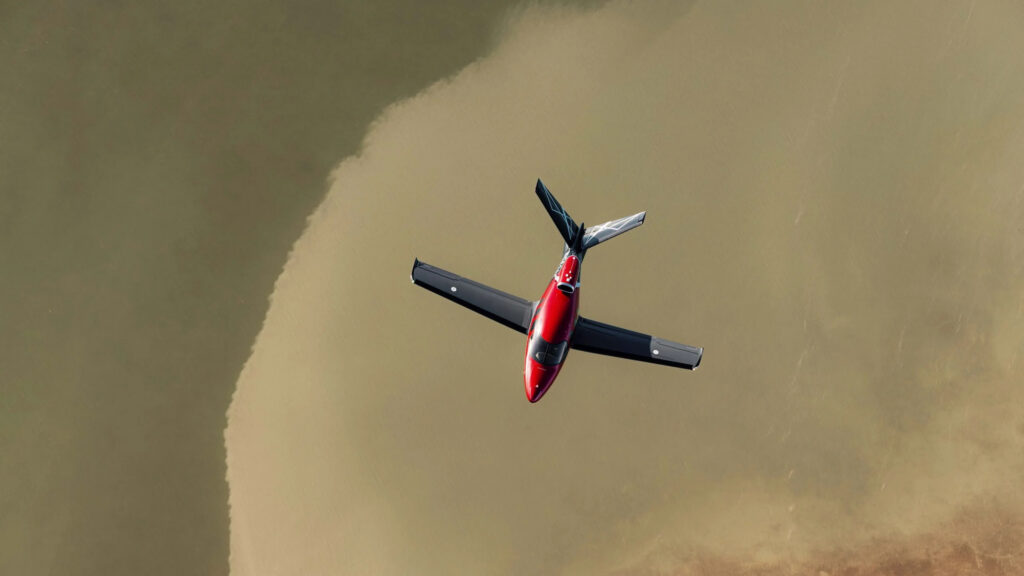
When Cirrus unveiled its very light jet concept during the 2000s, other manufacturers including Eclipse and Cessna were marketing their own VLJ designs. For a time it looked like general aviation was headed for a boom in small personal jets. But the economic downturn of 2008 and a more general lack of demand led to the discontinuation or outright failure of would-be competitors.
For now, the Vision Jet remains in a category by itself as an easy-flying VLJ aimed at piston-single owners who are happy to fly twice as fast and twice as high as they did before.