










Register

Aerospatiale TB-10 Tobago

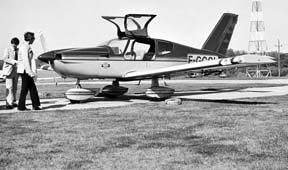
[IMGCAP(1)]We don't get to see much French hardware in this country any more, but those of us who remember such wonders as the Citroen automobiles with their hydraulic suspensions, or the old Renault 16, the interior of which could be stripped out in minutes without tools, will also recall that the French have their own distinctive way of doing things. The engineering is elegant or odd, depending on your point of view.

The SOCATA Caribbean series, when it was introduced in this country in the mid-1980s, was the embodiment of that unique way of doing things. Markedly different from anything wed ever seen, the French imports had a lot to offer, and they even managed to successfully buck t...

We don’t get to see much French hardware in this country any more, but those of us who remember such wonders as the Citroen automobiles with their hydraulic suspensions, or the old Renault 16, the interior of which could be stripped out in minutes without tools, will also recall that the French have their own distinctive way of doing things. The engineering is elegant or odd, depending on your point of view.

The SOCATA Caribbean series, when it was introduced in this country in the mid-1980s, was the embodiment of that unique way of doing things. Markedly different from anything wed ever seen, the French imports had a lot to offer, and they even managed to successfully buck the downward spiral that all but killed off American light aircraft production.

What the Caribbean series really brought us, though, was a fresh look at the design of light aircraft. They use the same engines as others, and perform about the same, as well. But there’s considerable innovation here: a high degree of parts interchangeability, superior ergonomics in some respects, and simple, efficient construction. Whereas the typical Cessna or Piper – even a mid-1980s model – clearly shows its late-1950s roots, the Caribbean series looks far more modern.