











In the world of GPS equipage, weve noticed an interesting trend lately. For want of a better term, we’ll call it the have and have-not syndrome.
The haves are buying up Garmin GNS 430s as fast as Garmin can make them while the have-nots are eyeing all the hand-me-down GPS boxes many of these owners are dumping to accommodate new gear.
Given the volume Garmin is enjoying with GNS 430, this is a somewhat unprecedented development in the recent history of avionics. Some of these GPS navigators were installed less than two years ago and although their owners consider them obsolete, the fact is, these units are serviceable, if somewhat poor in features compared to the newer stuff.
Good Deals? Yes
There are good deals out there in used GPS, no question. But also some pitfalls when you consider that in adding up the bottom line for installation, indicators and annunciators, you may be pushing $6000 for one of these used navigators.
Thats not so bad if you plan to keep the airplane for a few years and are sure you wont want to upgrade to something colorful and expensive in the short term.
Its not a good idea to spend that much if youre remotely considering selling the airplane soon or youre awaiting next falls product intros. Save your pennies for something state-of-the-art.
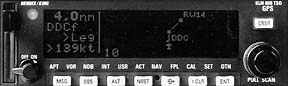
But lets say youve visited your shop for some tire kicking and…whats this, the shop has a couple of used KLN-90Bs for a good price. ($3000 is a good price.) What are the pros and cons of sticking one of these vintage boxes-if a three-year-old GPS can be called vintage-into your panel?
Pros
Instant IFR GPS for a bargain price, including approaches.
Legal substitution for DME and ADF.
A quick hit, usually, with no major panel surgery.
A serviceable box for the foreseeable future.
Cons
No upgradeablity when WAAS finally happens.
Except for the Northstar, difficult operating logic.
No fancy moving map or other high-end features.
Limited warranty coverage.
All things considered, thats not a bad balance sheet, depending on the box, the price and what your future plans are. Herewith is a box-by-box rundown on whats out there. But first some general advice on buying used.
At the time of installation, plan on purchasing a factory new installation kit, and factor this into the bottom line. New connector kits are a must, since a little extra money spent here will avoid problems later, obviating the chore of tearing open the panel to find a loose wire.
Have the system sent to the factory for a check, if it hasnt been back within say, six months, or if you otherwise have any doubts about its condition. Its important that operating software and internal GPS clock batteries are fresh. don’t forget that these used GPS units could be as old as five years and better to get the board up to snuff before you put it into your airplane.
Also, plan to purchase at least one database revision, even if you don’t buy a subscription. If you certify the used box for IFR, you’ll need a current database for the required flyoff.
All first-generation IFR GPS navigators require the use of a remote indicator and mode annunciation of some kind. If you didnt purchase your system with a remote indicator and/or annunciation, you’ll pay for it at installation time. Make sure its included in your bottom line price, since this can add $600 or more to the basic cost of the box.
All IFR GPS will display steering (Left/Right/FLAG) information compatible with most relatively modern HSI systems, if the aircraft is so equipped. This eliminates the need for a separate indicator but it doesnt solve the annunciation requirement.
At this point, a remote combination switching relay (ACU or Annunciator Control Unit to switch NAV/GPS left/right/flag info) will be needed. Some owners-mainly the Luddites still clinging to their ancient lorans-have trouble grasping the remote indicator concept. But from the wiring and installation point of view, its significant and a major item on the list of things that drive up the cost of GPS installations certified for IFR.
The installer must use RG-142 low-signal-loss antenna cable and the IFR GPS must be coupled with the altitude digitizer for altitude input. you’ll also want the system interfaced with your autopilot system for nav tracking, another reason for the remote ACU if tied to the HSI.
If you don’t have a cooling fan system, now is the time to bite the bullet, as most IFR units require forced air-cooling. Its a cheap insurance against other avionics failures, too. If you have an aircraft with a right-side avionics stack, you may not be happy having the GPS installed there. Plan on relocating stuff out of the main stack to make room and get an estimate from the shop on doing this.
GPS approaches work best when the pilot has full visibility and easy reach of system controls. In fact, the FAA requires as part of a TSO C129 (A1) approval that the remote annunciators and indicators be within the pilots IFR scan. (Some FSDOs are liberal in interpreting this, others are not.) The installation facility-and it must be a FAA Certified Repair Station-must test fly the system in order for it to be approved for IFR. A maintenance shop installing IFR GPS will get the FAAs attention. So unless you have no intention of certifying it for IFR-and nothing says you have to- have the work done by an experienced radio shop.
The point here is that all of these factors will affect the cost of having your used GPS system installed and a good working relationship with the installing shop is essential. But know this: That nice little M3 an owner is willing to let go for $3000, might cost another $1500 to $2000 to install. More if the shop runs into trouble when reshuffling the panel. A lot more if you need to replace your older HSI.
Of course, theyd have the same trouble if you decided on new equipment. But a box like the Garmin GNS 430 requires less hardware than some of the original IFR navigators so the difference in installed cost is not always as great as some owners imagine. As with all used equipment, someone got rid of the system for a reason. Either an upgrade to later and greater models or the previous owner didnt like the equipment due to its unfriendly operation or some other factor. Or perhaps the unit was a lemon and plagued with problems. All are reasons to move on to something else, which is commonplace with IFR GPS. It will become more so in the next two years.