











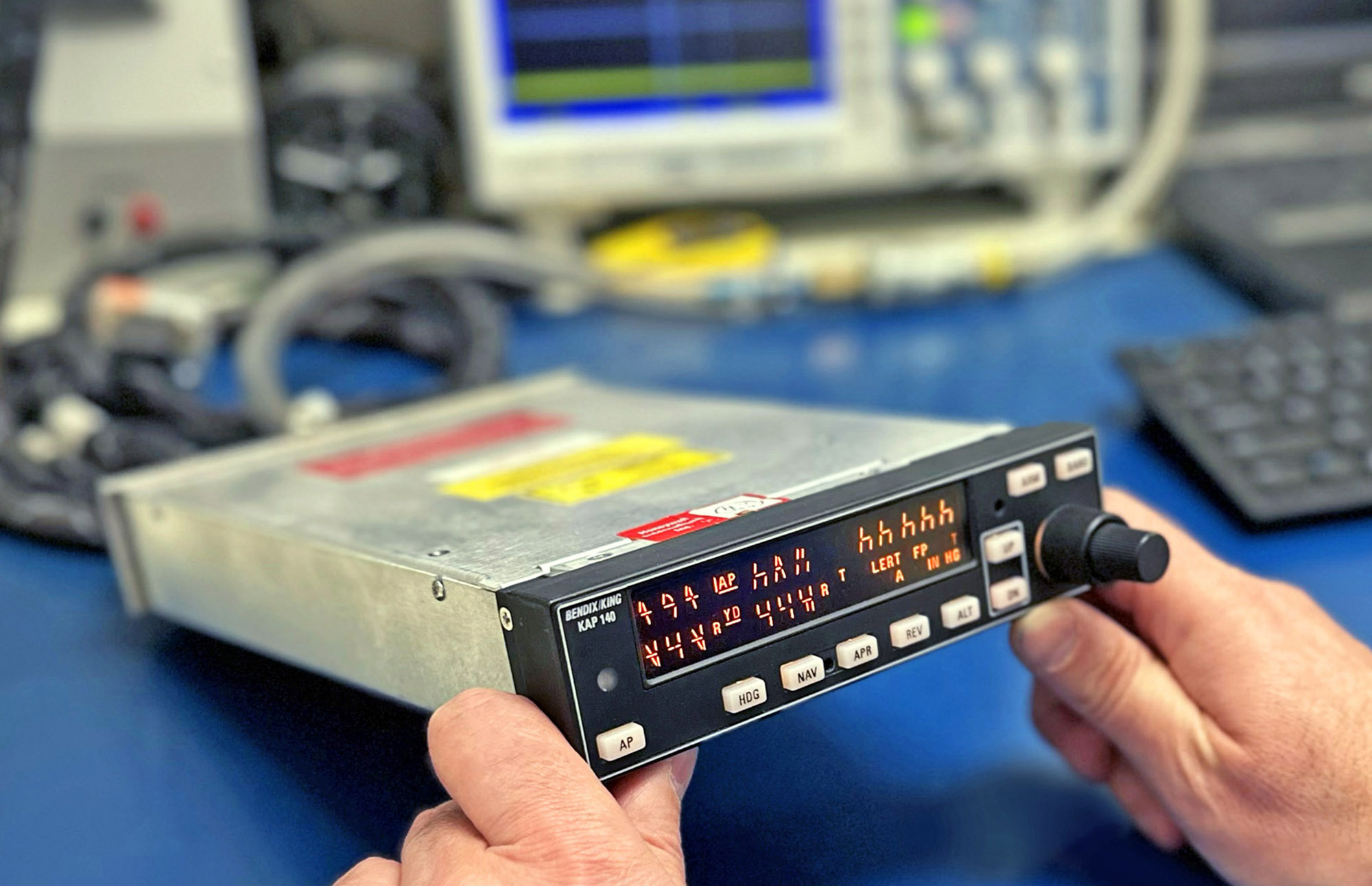
It’s a familiar story. A buyer drains the budget on a used go-places IFR airplane only to spend thousands on autopilot repairs—or tens of thousands on replacement—within the first year or less of ownership.
While the surprise might have been avoided with a more thorough prepurchase inspection and inflight shakedown, it’s best to factor in the potential costs of keeping an old autopilot running (or replacing it) before you actually agree to buying the airplane in the first place.
In this article, we’ll point you in the right direction for repairing and replacing them, with some good advice from the shops that know a lot about the bottomless money pit of autopilot work.
Reagan-era Hardware
There are plenty of airplanes that haven’t seen major avionics upgrades in years and sport original-equipment autopilots that have fallen light on upkeep. A malfunctioning autopilot should be taken seriously and in some airplanes could be a no-go item. While all that creates a lively market for repairs and overhauls, it isn’t getting easier for aircraft owners or shops.
Old-school bench techs who were once whizzes at component-level field repairs have retired or gone west and they have taken their knowledge with them. That leaves a new generation of techs who already have enough to learn with new digital systems, let alone long discontinued analog systems twice their age. Even when someone skilled can fix them, there’s growing parts obsolescence, which means forced upgrades to new digital autopilots. In reality, those upgrades are probably long overdue.
Be realistic—as owners of old airplanes, we sometimes demand a bit much from electronics designed 50 years ago. I don’t have any consumer electronics that old. Yet in the world of relic autopilots, we bet our lives on them to fly the airplane to the runway. Thankfully there are still a dwindling number of skillful shops that can try to revive old systems, but prepare to pay for the specialized service and accept long downtimes.
One busy shop Aviation Consumer has easily recommended, partly based on feedback in our surveys, is Kansas-based Bevan Aviation (previously Bevan Rabell). Its team has a solid reputation for breathing new life into older avionics, including autopilots. Bevan—a Platinum-level Garmin dealership—was purchased by Yingling Aviation last year, another company that has made a good business pumping out high-end aircraft refurb projects.
Bevan’s Jacob Kinsey made a good point in that many shops just aren’t equipped to work on analog autopilots—which could be as basic as performing routine pitch and roll alignments so it flies true. This isn’t to minimize the work that’s involved even when the shop has everything it needs. But avoid shops that troubleshoot by guessing.
“If a shop doesn’t have access to service documents or specialized test equipment, it might blindly swap out boxes and hope for the best outcome,” he said. We think that’s a setup for trouble and it’s how shops lose customers and how customers waste money on repair attempts gone bad. Ask the shop what experience it has with the autopilot in your particular aircraft model and if it has up-to-date service literature and the right test equipment.
Keeper or boat anchor?
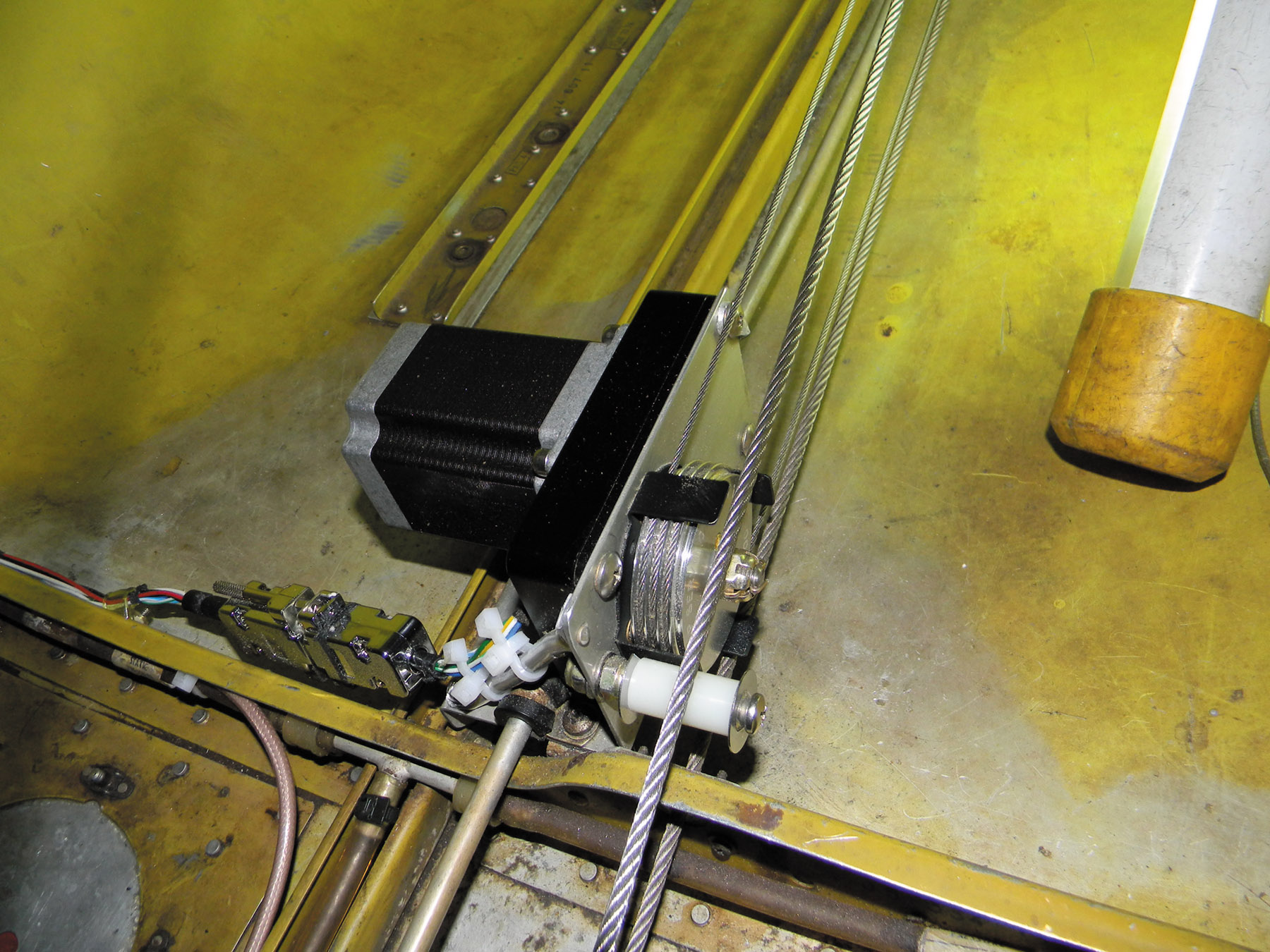
It’s partly up to the shop to help customers make that decision. It’s easy for shops to suggest shotgunning an old autopilot with a new one when a repair might have been the better option. But there are plenty of systems that might be questionable if not impossible to maintain for the long term. The list is almost too long for one sitting, and models range from original-equipment ARC Cessna/Sperry, BendixKing/Allied Signal and Century/Piper systems, plus early-gen S-TEC systems, now handled by Genesys Aerosystems.
One big problem for any autopilot is the lack of OEM support. For instance, before Texas-based Century Flight Systems closed its doors a few years ago, it provided exceptional field support for the many thousands of systems in service thanks to veteran company techs who were product-line experts. Now it’s up to resourceful shops to find parts and troubleshoot on their own.
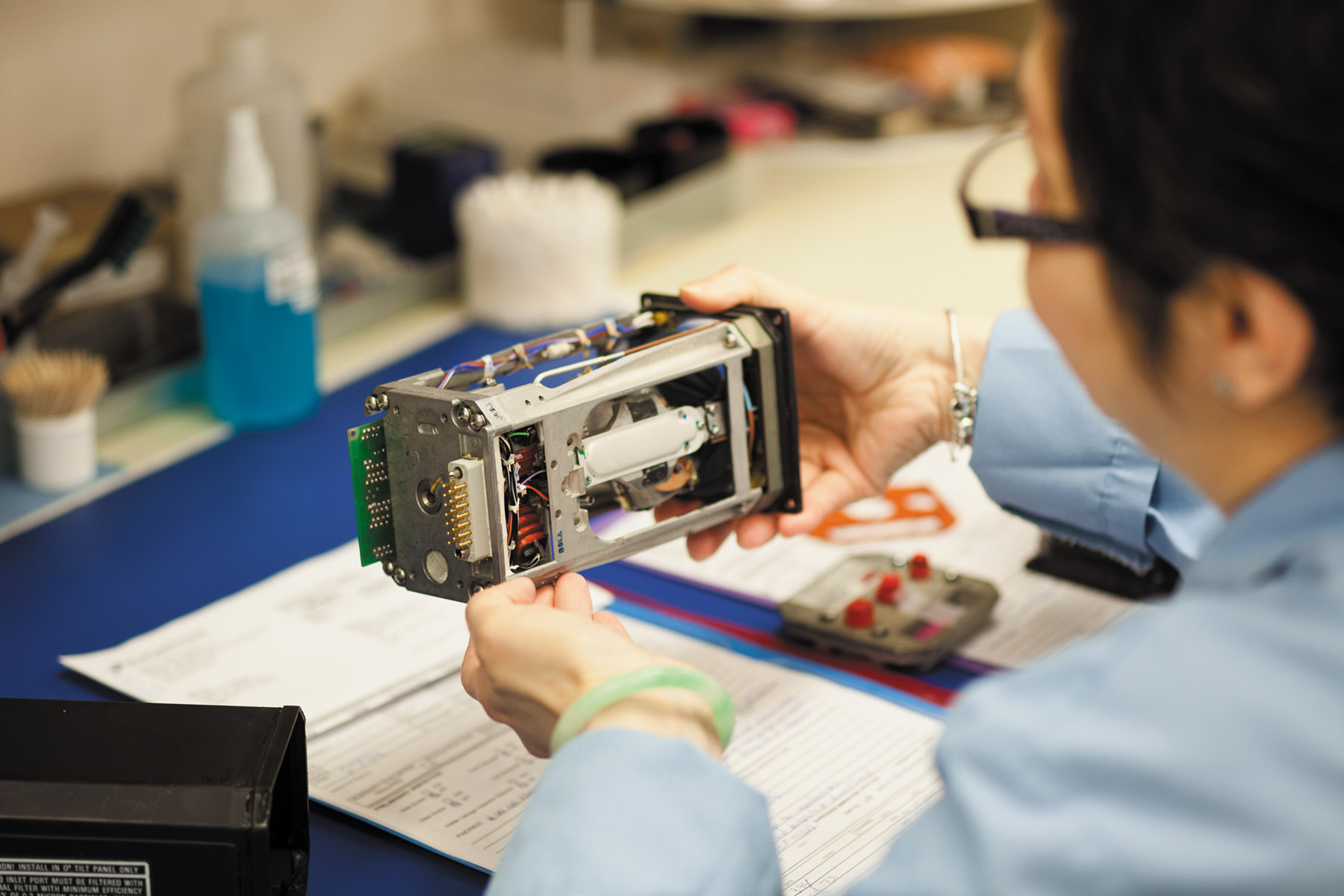
Mid-Continent Instruments and Avionics (with locations in Kansas and California) is a high-volume repair facility for King/Allied Signal/BendixKing autopilots and gyros. This includes the once gold-standard KFC/KAP models. You’ll find them in a wide variety of pistons and turbines. Mid-Continent rattled off a long list of common failure items on these systems including capacitors, accelerometers, light bulbs, mechanical servos, motors, clutches, strain gauges and feedback tachs. But like every shop we spoke with, the biggest challenges are getting OEM repair parts. “We stopped working on the older Bendix M4C/D servo models due to servo clutch and motor extinction. Very few shops are still working on the older Century and Bendix flight computers,” Mid-Continent’s Wendy Vargas told us. The company still repairs Century gyros and HSIs, plus some Bendix gyros that are part of some legacy autopilots.
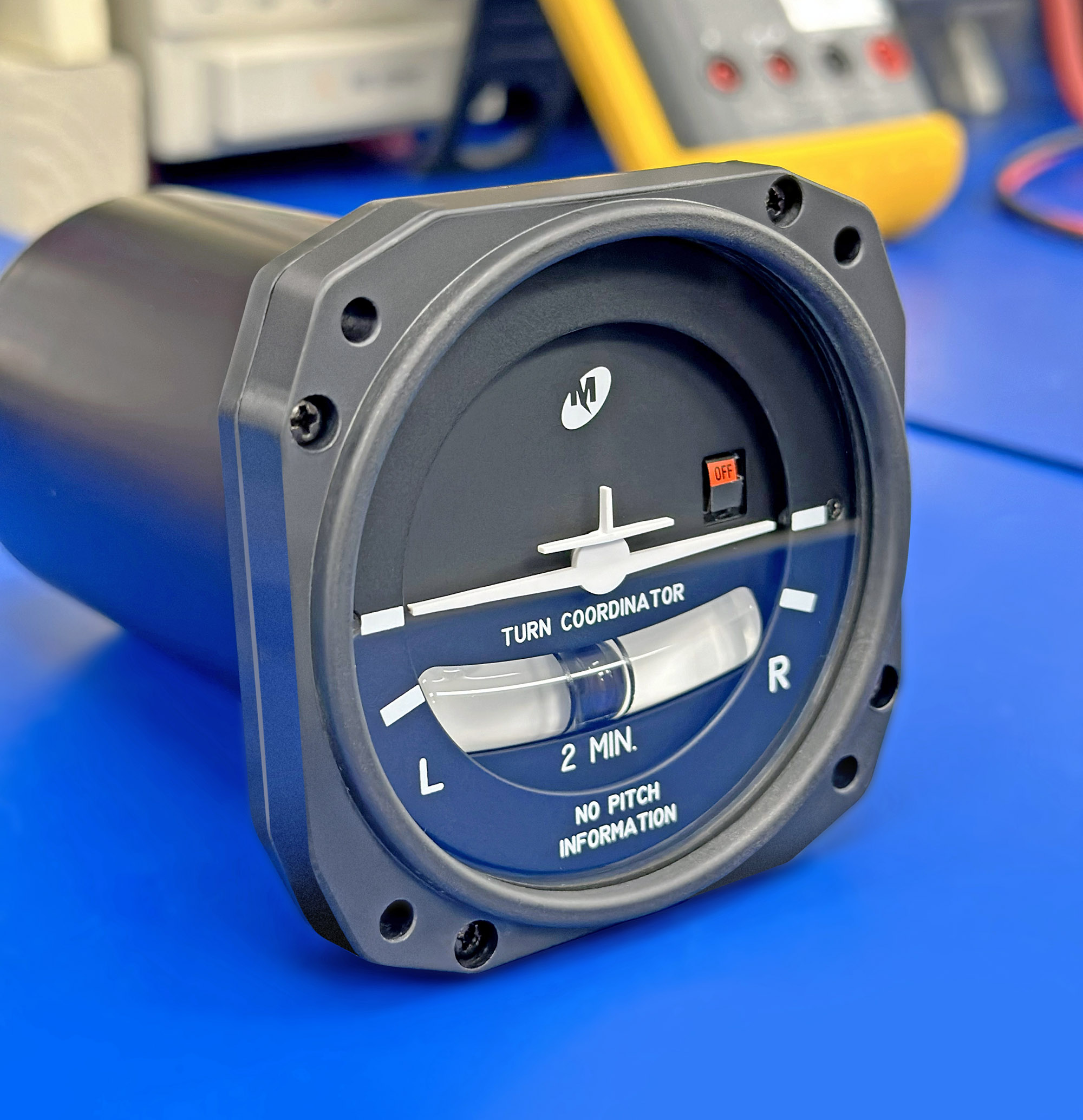
Worth mentioning are Mid-Continent Instrument’s later-model brushless replacement turn coordinators, which are integral to some rate-based autopilots like the BendixKing KAP140. These instruments can last longer because they no longer have brushes to produce carbon issues, plus the valid-flag circuit is based on the rotor speed, not just the input power. The older turn coordinators were susceptible to carbon buildup due to the wear from the brushes into the commutator. This would cause intermittent start-up along with bearing issues.
Bevan’s Jacob Kinsey pointed out that gyro and instrument repairs and overhauls (often integral to the autopilot) are what eye-watering invoices are made of. “When you start talking about major repairs to analog attitude gyros and HSI instruments, the repair cost takes off in a hurry,” he correctly pointed out. As one example, Garmin’s GI 275 electronic flight instrument with autopilot output option could make far better sense than sinking money into iron gyro repairs. In some cases—as long as the rest of the autopilot is in perfect shape—the precise digital signal input can boost autopilot performance with more features. But it can also surface servo drive and oscillation issues that weren’t noticeable with the old, less- precise analog instrument in the mix.
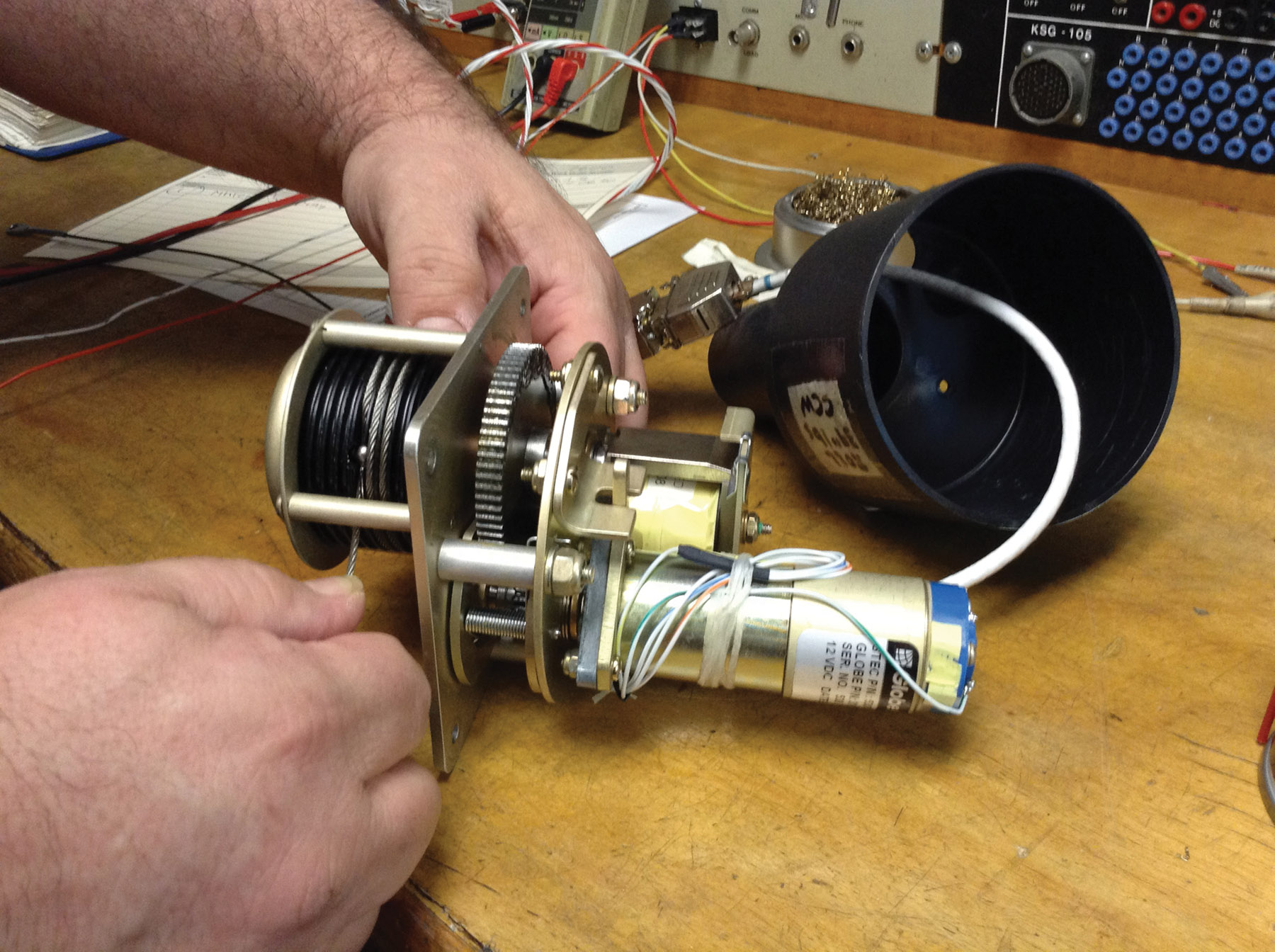
Still, experienced autopilot shops know where to source common third-party replacement components that might be common among multiple brands and models (and know which parts should be replaced on a preventive basis), especially servo parts. But the obsolescence of specialty parts can send a servo to the scrap bin.
“For a lot of servos, most motors, bearings and brushes are still sourceable, but for solenoids, pinion gears and other specialty replacement parts it comes down to finding used serviceable ones,” Bevan’s Kinsey said. Some of the later Century systems might have been hit the hardest, especially for units like the aftermarket Century 2000 that went through major design changes mid-production run, which makes some of the earlier computer boards obsolete.
HUGE S-TEC POPULATION
Once dominant in the retrofit market, S-TEC earned an impressive number of STC approvals for its rate-based single- and dual-axis autopilots. This includes the basic System 20 up through the System 55X. Field service is limited because the maintenance manuals were decommissioned years ago, so factory repairs are often the only option, but there’s still no guarantee for a seamless repair.
Servos for early generation S-TEC systems might fall below a repairable serial number range and that means having to find an alternate servo that is serviceable. That often requires buying a new STC because all of the specific parts in a given S-TEC autopilot are STC’d to the airframe. That should be a warning for those tempted to buy a used S-TEC autopilot. Plus it isn’t practical given the specific installation hardware that’s needed to correctly put it in the airplane. It won’t get easier because only the System 55X and new digital 3100 will be offered going forward.
Genesys repairs for S-TEC autopilots fall under a Minor- and Major-level repair schedule with many components carrying flat-rate repair pricing. A Minor-level repair covers diagnostics and troubleshooting of articles to the component level without replacing PCB assemblies or major components. This basic repair to a 55X programmer/computer is just shy of $3000 and a popular System 20/30 roll computer is around $1300. Major-level repairs cover diagnostics and troubleshooting of articles to the component level, plus replacement of PCB assemblies or major components. A Major-level repair is just shy of $4000 for the 55X and around $2000 for the System 20/30 computer. Standard servos can range from around $700 to nearly $2000. Some components have flat-rate overhaul pricing. If a unit is found to require an overhaul, S-TEC will contact the dealer for approval prior to performing the overhaul and the dealer must supply written documentation authorizing the overhaul. If there’s no fault found, you’ll still be billed nearly $1000.
Avidyne’s Drop-in AP
The Avidyne DFC90 has been a popular upgrade for early-gen Cirrus SR20/22 and other models where the S-TEC 55X and Avidyne Entegra integrated avionics were standard. It benefits from digital circuitry, plus it has envelope protection with a Level mode. Avidyne subsequently added STCs for the DFC90 in the Entegra-equipped Piper PA-46 Matrix and Mirage aircraft that all had S-TEC 55X autopilots as standard. The DFC90 is designed to use the existing S-TEC servos and wiring, though there could be some additional effort for better reliability.
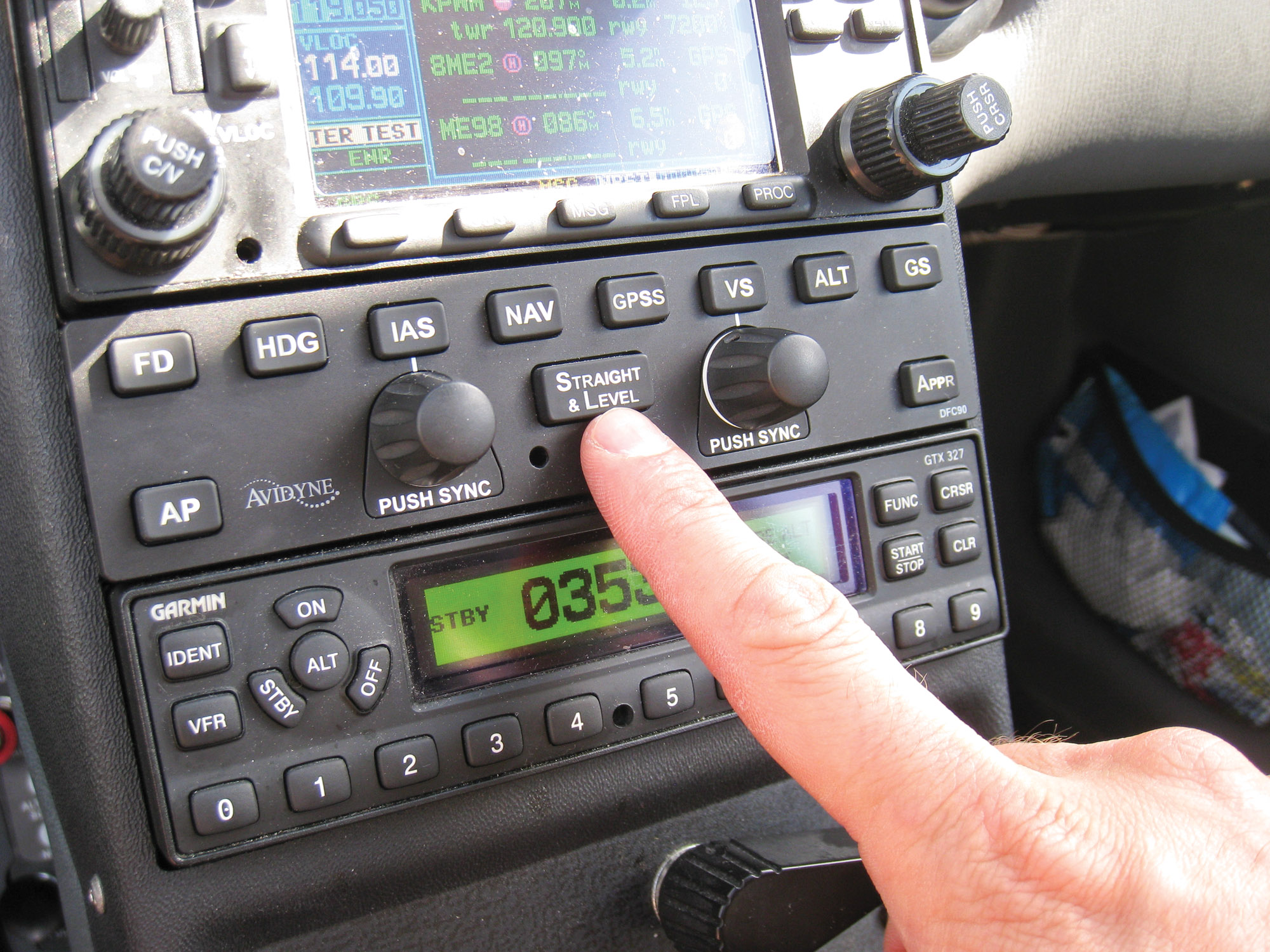
Avidyne’s Tom Harper recommended swapping out the old S-TEC computer’s mounting tray, which had a bent sheet metal backplate holding the connectors—a design that caused some connection reliability issues. The new DFC90 rack has a milled aluminum backplate that is more rigid and provides more solid connector seating.
Avidyne has been adding to the STC list for the DFC90 when paired with the Aspen Avionics EFD 1000 Pro PFD in Cirrus, Cessna 182 and Beech Bonanza applications. While the original DFC90 Cirrus STC requires the electric turn coordinator remain in the interface (it provides roll reference to the DFC just as it did with the 55X it replaces), Aspen interfaces don’t require it. The DFC90 is not certified to work with any other attitude source other than the Entegra PFD, Aspen EFD 1000 Pro PFD and Avidyne Vantage12 for Cirrus retrofits, in development now. “The Vantage12 system in the Cirrus has dual AHRS, so even with a PFD failure, the DFC90 will fail-over to the secondary AHRS in the Avidyne MFD, which is one of the big improvements that these legacy Cirrus owners are looking for,” Tom Harper told us. Pricing for the drop-in DFC90 is $11,350, plus $4000 to complete Mod55 for the Entegra if it needs it.
Our advice is to make certain the existing S-TEC servos are healthy and fall within the serial number range for continued S-TEC support before committing to a DFC90 install.
A shifting market
When we looked at autopilot upkeep in Aviation Consumer around 10 years ago, it was tough to make a case for replacing some of the flagship systems that have worked so well for a variety of OEMs. This includes the King KFC150/200 and even the later-gen all-digital KFC225.
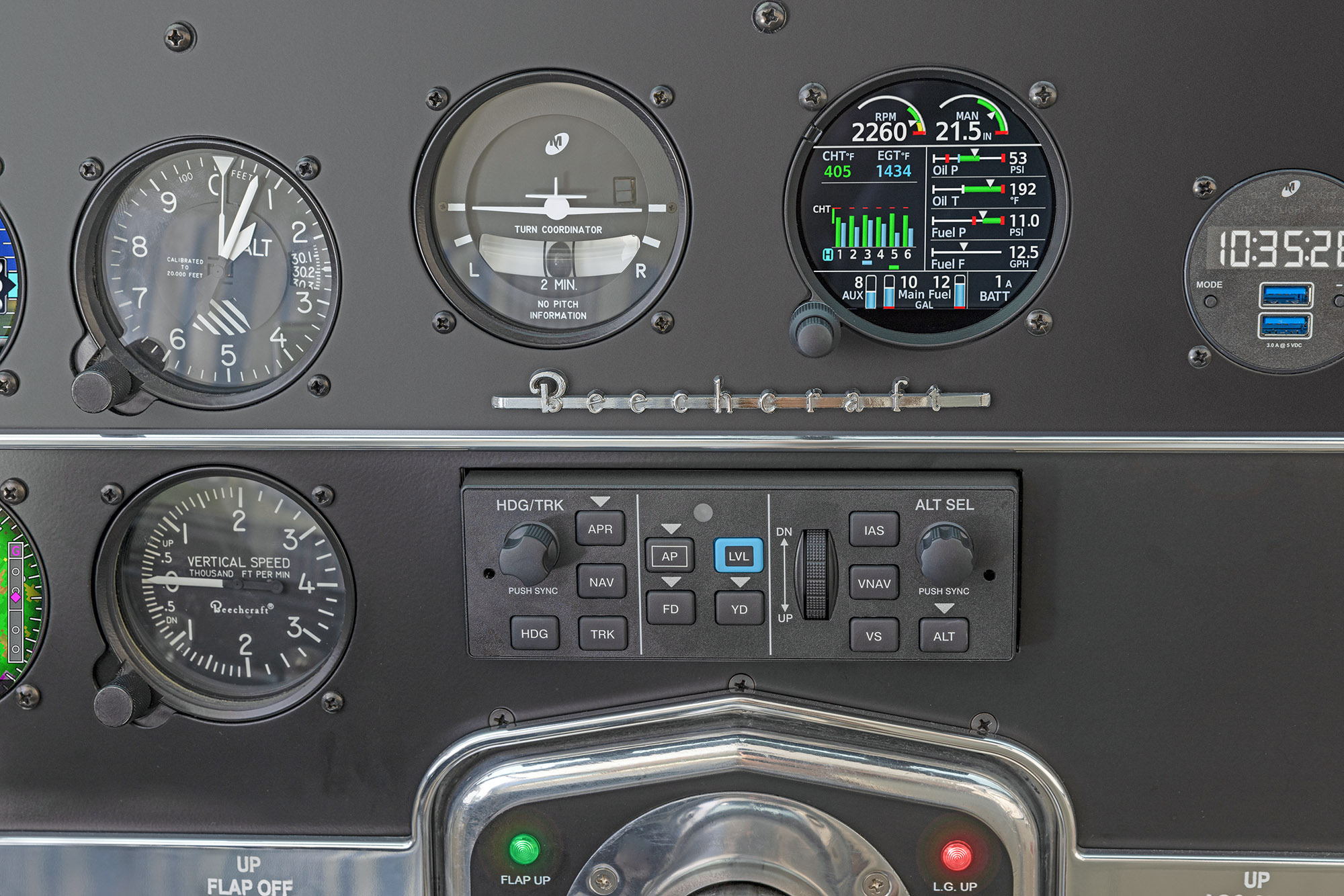
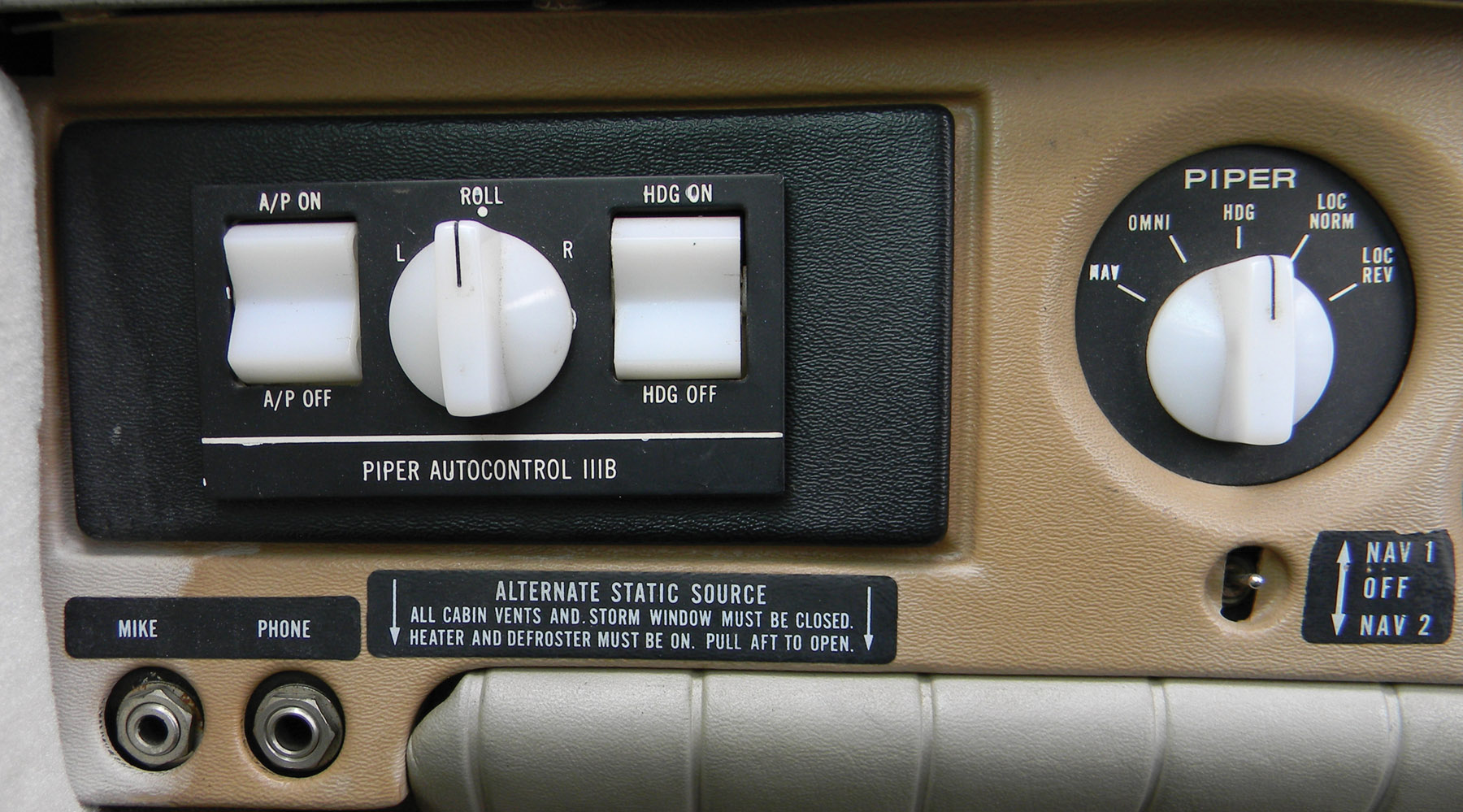
But now Garmin dominates the single-engine autopilot retrofit market with its GFC 500 autopilot. It has also been a strong seller for replacing vintage Piper/Century autopilots, pictured below. The current FAA approval (via AML STC) for installing the GFC 500 is pages long and Garmin is continuously adding to it. The same can be said for the higher-end GFC 600—a capable system gaining momentum for twin and turbine applications.
Lower-cost models including the Trio Pro Pilot (see the report in the July 2024 Aviation Consumer) are picking up some of the market, but we had hoped BendixKing did more with its AeroCruze retrofit autopilot. At AirVenture several years ago, the company teased shoppers with this system that was to be an easy replacement for the huge number of KFC150 and KFC200 autopilots. At the time, the company told us that since nearly 70 percent of an autopilot’s installed cost includes the replacement of servos and related hardware, the AeroCruze was designed to retain the existing autopilot servos. BendixKing targeted an upgrade price of $10,000 and said it might start shipping the product in the middle of 2018, but it just never took off. The drop-in concept worked for Avidyne’s DFC90, though.
One newer system that did take off is the Genesys S-TEC 3100. Compatible with digital pitch and roll sources via EFIS displays from Garmin and Aspen, it’s available (through STC) for a variety of Cessna 310/210/182/177 models, a long list of Beech Bonanzas, Piper Saratogas, Malibus and Navajos, plus a handful of turbine applications.
Savvy shopping
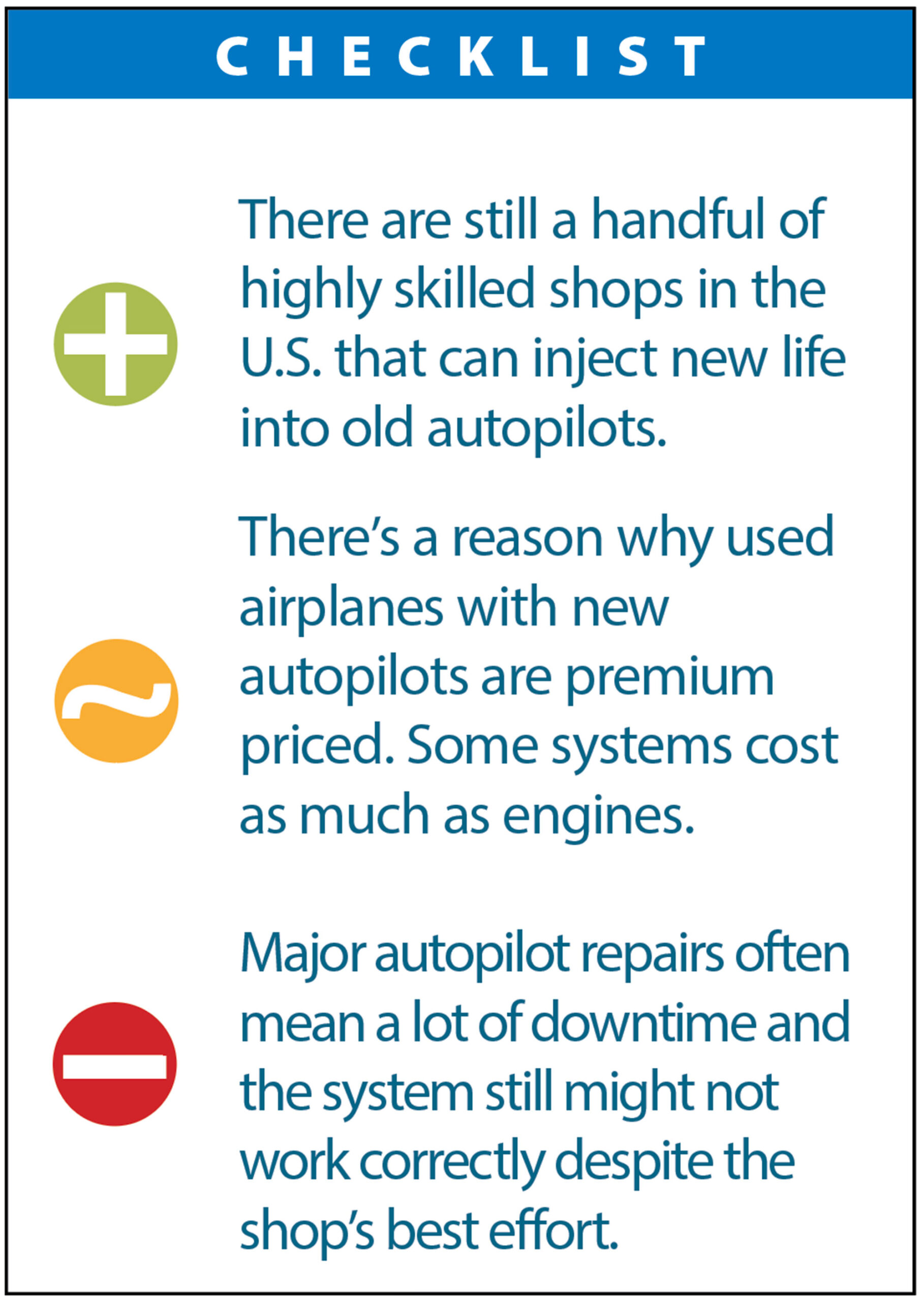 Now more than ever, use caution when buying used airplanes with aging autopilots. We’re amazed at the number of folks we talk with who end up with used high-end airplanes but never tested the autopilot before closing the deal.
“I bought a Beech Baron that had a King KFC200 autopilot and the seller bragged that it was such a good system. That may have been true 30 years ago, but I have a stack of invoices proving that it was beyond tired,” one reader told us in an avionics satisfaction survey. If he had paid closer attention to the autopilot’s performance on the demo flight, he would have noticed the pitch oscillations in altitude hold and when tracking glideslopes. Between overhauling the KI256 attitude gyro, the KG102A heading gyro, replacing the pitch and trim servos and troubleshooting and repair labor he shelled out north of $14,000 in the first six months of ownership just to get it working so he could fly the airplane (his first twin) on planned trips. He ended up invested in Garmin’s GFC 600 and the G500 TXi flight display suite as the ultimate fix, but not after waiting nine months to get on his shop’s schedule and another two months to have it completed. “What I really should have done was negotiated $20,000 off the high selling price as an offset to put toward a new system or at least the repairs, but I was more concerned with the health of the engines,” he later told us.
The takeaway is to first get a quote for a new autopilot before committing to major repairs on an old one, while accepting that the one you’re sinking money in might not ever perform to original specs. The way we see it, spending nearly $10,000 or more to get an old system working is usually throwing good money after bad.