











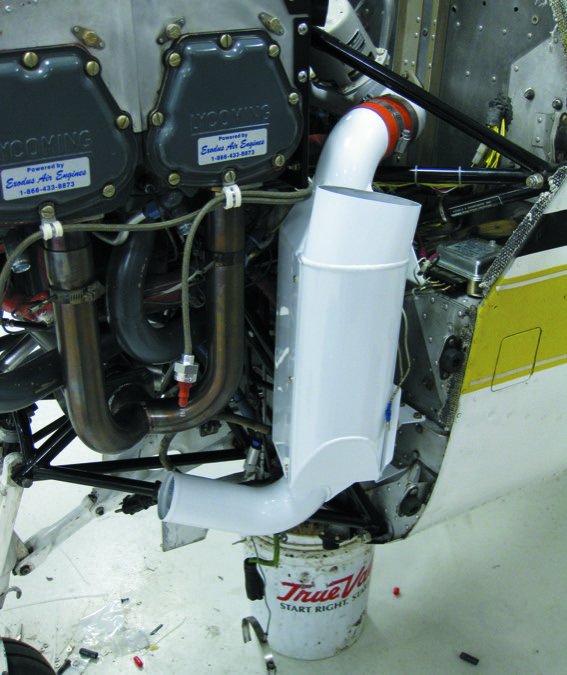
Based on calls and letters we’ve fielded, there’s a certain mystery that surrounds engine intercooling systems. But there’s no mystery because simply put, an intercooler is essentially a radiator, or heat exchanger. That’s the key to engine longevity, of course.
But aftermarket intercooling systems add complexity and can crowd already tight engine bays on turbocharged aircraft. For engines that have efficient turbos, an intercooler might not do much. For others—especially those plagued with high cylinder head and turbine inlet temperatures—the investment could be worth it. Here’s a deep technical analysis to help with the decision, and some tips for assessing a given design.