











Inflight icing is as hazardous as it has ever been, but it doesnt hide the same demons it once did, which is another way of saying there are fewer icing accidents than there used to be. One reason is that owners are flying less and maybe flying in less icy weather, too. But forecasting technology has improved and-maybe the big one-more airplanes than ever (especially singles) are carrying deicing equipment.
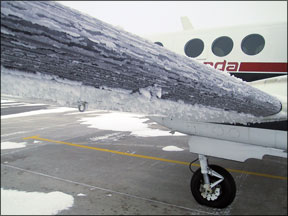
And where pneumatic boots used to be the only choice, now there are two others: TKS liquid deicing and, recently, electrically heated surface deicing. Obviously, the technology has moved forward, but are the latest developments any better than the original rubber boot? The short answer is yes, but the detailed answer is that electrical deicing for light aircraft has proven disappointing. (Cessna has dropped it for the 350/400 series aircraft it acquired from Columbia.)
Given these developments, which deice system is the most cost effective and least maintenance intensive? And if flight into known icing is your wont, should you buy an airplane based on which system it has?
History
B.F. Goodrich developed pneumatic deicing boots nearly 80 years ago and although the systems have improved, the operating principle is the same. Theyre essentially rubber balloons glued to wing and tail leading edges and inflating them with air from the airplanes pneumatic system breaks up the ice. The boots are then deflated and the cycle is repeated either manually or automatically for additional accumulations. Many boot installations are FAA-approved for flight into known icing, but some are not. (Check the aircraft AFM.)
Drawbacks include the systems weight and the boots themselves: Theyre draggy-especially when inflated-when compared with a bare wing. Also, they require an air source which, in piston aircraft, is usually a failure-prone dry pressure pump. (Turbine aircraft can use engine bleed air.) Boots are maintenance intensive, requiring attention to and replacement of the boots themselves, not to mention lots of plumbing and controls. If cared for, boots are effective and pilots are familiar with them.
The TKS system-available both as a factory-installed option and as an STCd add-on for other types-pumps a glycol solution through microscopic perforations in wing and tail membranes mounted on leading edges, plus a prop slinger and the windshield spray bar in many installations. The glycol both melts ice and helps prevent it from forming, something boots cant do.
After the expense of installing the perforated titanium-alloy leading edges, TKSs drawbacks include weight of the associated fluid and plumbing. Maintenance usually consists of keeping the leading edges clean of dirt and bugs and replacing the odd failed pump.