










Register

Borescope Imaging: Getting the Inside View

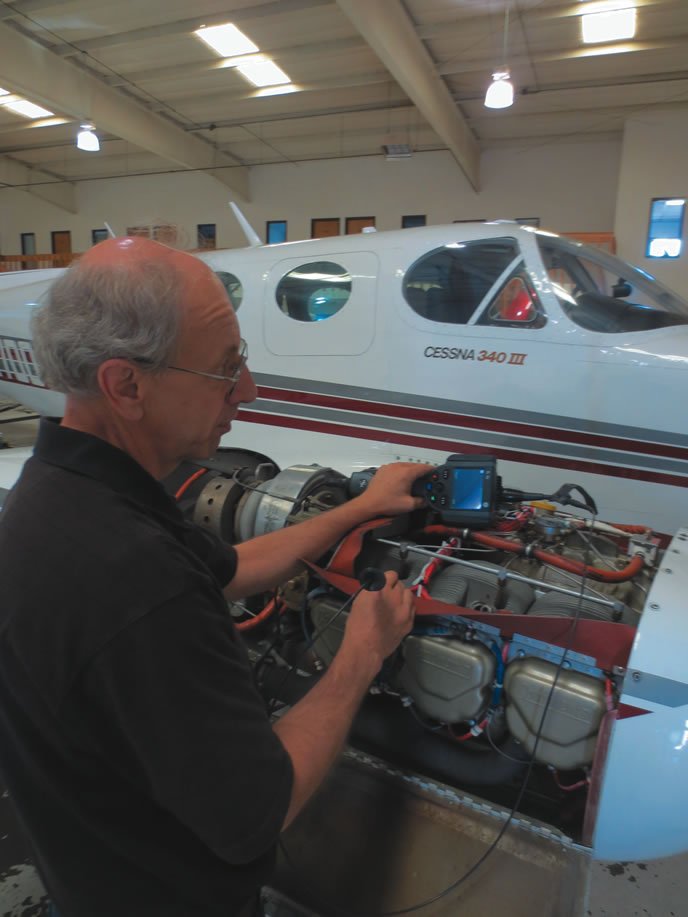
Ever since the Wrights, one of the vexing problems of aircraft maintenance has been access to the nooks and crannies of the machine. Maintenance technicians have spent major portions of their lives with flashlights and mirrors peering through inspection ports trying to assure that all is we'll within; at significant expense, major assemblies have been unbolted and removed to allow visual inspection of their insides because of a symptom of illness-often to find that they are healthy-while the act of removal and replacement itself caused damage.

Ever since the Wrights, one of the vexing problems of aircraft maintenance has been access to the nooks and crannies of the machine. Maintenance technicians have spent major portions of their lives with flashlights and mirrors peering through inspection ports trying to assure that all is we’ll within; at significant expense, major assemblies have been unbolted and removed to allow visual inspection of their insides because of a symptom of illness—often to find that they are healthy—while the act of removal and replacement itself caused damage.

The first borescope—a skinny tube with an objective lens on one end and eyepiece on the other with a relay optical system in between—was developed shortly after the first World War . It proved effective; although the miniaturized optics meant it wasn’t cheap and getting effective illumination to the area of interest was a challenge.

Rick Durden

Senior Editor Rick Durden has written for Aviation Consumer since 1994 and specializes in aviation law. Rick is an active CFII and holds an ATP with type ratings in the Douglas DC-3 and Cessna Citation. He is the author of The Thinking Pilot’s Flight Manual or, How to Survive Flying Little Airplanes and Have a Ball Doing It, Vols. 1 & 2.