











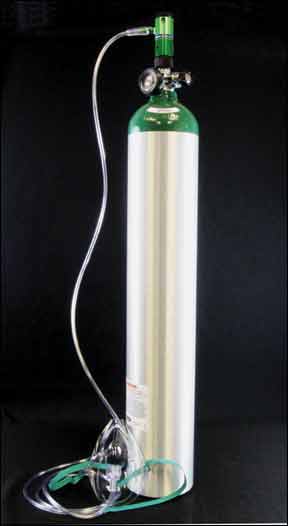
For decades, we’ve more or less complied with the FARs requiring oxygen use above certain altitudes on good faith. But the advent of cheap, easy-to-use medical pulse oximeters has revealed a troubling fact: Even at altitudes below the FAR-required values, many of us are oxygenated poorly enough to benefit from supplemental oxygen. Mild hypoxia—say at 10,000 feet—may very we’ll be debilitating enough to cause judgment errors.
So that argues for both a pulse oximeter and some kind of supplemental oxygen system. Fortunately, since we began covering these products two decades ago, they have become ever more sophisticated and cost effective. There’s wide choice in price, size, accessories and even new products that conserve oxygen, meaning that many owners who use it only at night or occasionally at any altitudes, may need a refill only once a year, if that.If you’re still on the fence about buying an oxygen system—and if you don’t fly above 8000 or 10,000 feet or at night much—we still recommend a pulse oximeter. These have evolved since we last evaluated them in 2005, and the prices have plummeted to under $50.