











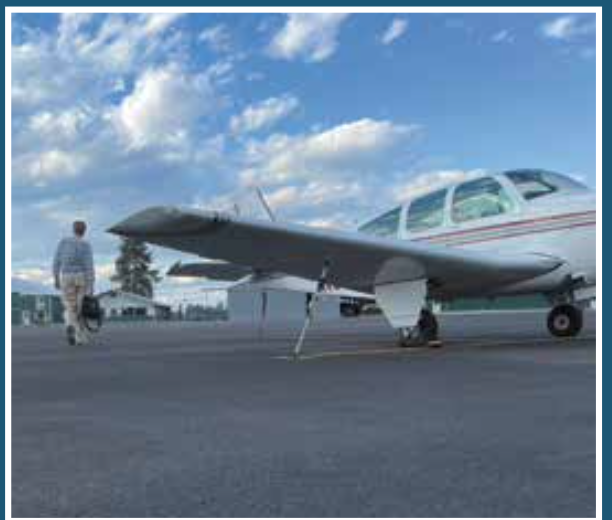
While conducting the extensive research into aging pilots and insurance for this article, I came to realize that, inherent in the aging pilot insurance issues, is the need to talk frankly about the elephant on the flight deck—how does a pilot recognize that it’s time to stop flying as pilot in command?
Everyone is aware that when the FAA moved the retirement age for airline pilots from 60 to 65 the result wasn’t aluminum rain. The extraordinary airline accident rate remained extraordinary. In the meantime, a lot of airline pilots who hit age 65 kept flying professionally, either under Part 135 of the FARs or for the Part 91 fractional ownership organizations. Those operators were happy as clams to get highly experienced pilots—some of whom are flying in their 80s—and their miniscule accident rate remained miniscule. Accordingly, age is only one variable in the equation entitled “can I keep flying any longer?”