










Register

First Word: October 2012

During my brief time as a freight pilot in the mid-1970s, there were almost no turboprops to be seen. In my corner of the world, it was either piston equipment where, loaded, you sagged into the air and clawed your way to about 8000 feet. That put you in midst of whatever weather was along your route. The only turbine option in those days was 20-series Learjets with their addictive rates of acceleration and climb and the pleasure of looking down at most of the weather. About the time I was moving on to other endeavors, the first turboprop conversions of the Beech 18 were showing up on the ramp. The big power in a small package of those turbines fascinated me, but how the shoestring operators I knew could afford them was beyond me.

During my brief time as a freight pilot in the mid-1970s, there were almost no turboprops to be seen. In my corner of the world, it was either piston equipment where, loaded, you sagged into the air and clawed your way to about 8000 feet. That put you in midst of whatever weather was along your route. The only turbine option in those days was 20-series Learjets with their addictive rates of acceleration and climb and the pleasure of looking down at most of the weather.
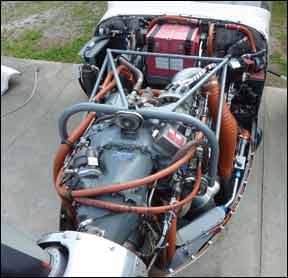
About the time I was moving on to other endeavors, the first turboprop conversions of the Beech 18 were showing up on the ramp. The big power in a small package of those turbines fascinated me, but how the shoestring operators I knew could afford them was beyond me.

Rick Durden

Senior Editor Rick Durden has written for Aviation Consumer since 1994 and specializes in aviation law. Rick is an active CFII and holds an ATP with type ratings in the Douglas DC-3 and Cessna Citation. He is the author of The Thinking Pilot’s Flight Manual or, How to Survive Flying Little Airplanes and Have a Ball Doing It, Vols. 1 & 2.