










Register

Propeller Governors: Think Beyond RPM

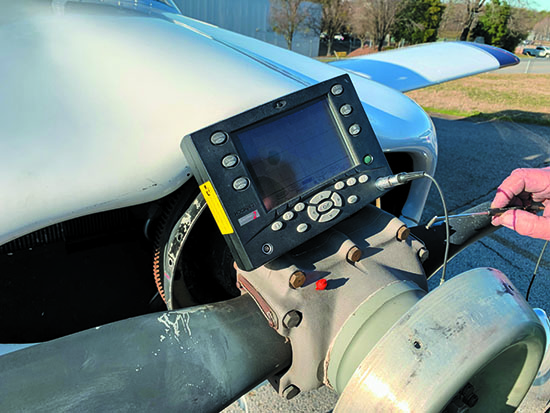
That’s a shot of the propeller hub assembly, left, on a Piper Arrow with the spinner off and ready for an eddy current inspection for AD compliance. Separate from the governor, it’s important to inspect the hub on a regular basis, especially after a prop strike.

Step up to a complex airplane and eventually you’ll deal with maintaining the constant-speed propeller governor. While instructors rarely teach more than the things to look for on the preflight walk-around (oil slung on the prop blades, for one), not enough emphasis is placed on the importance of keeping the governor healthy, while also recognizing the signs of pending failure. Here’s a primer.

PROP GOVERNORS 101

The prop governor is nothing more than an externally mounted oil pump that selectively “leaks” oil pressure from anywhere between 50 to 280 PSI as needed to the prop hub. There, it’s converted to mechanical piston motion to effect prop blade pitch changes. 

Larry Anglisano

Editor in Chief Larry Anglisano has been a staple at Aviation Consumer since 1995. An active land, sea and glider pilot, Larry has over 30 years’ experience as an avionics repairman and flight test pilot. He’s the editorial director overseeing sister publications Aviation Safety magazine, IFR magazine and is a regular contributor to KITPLANES magazine with his Avionics Bootcamp column.